
Why a Finished Basement Is Still One of the Best Investments You Can Make in Utah in 2026
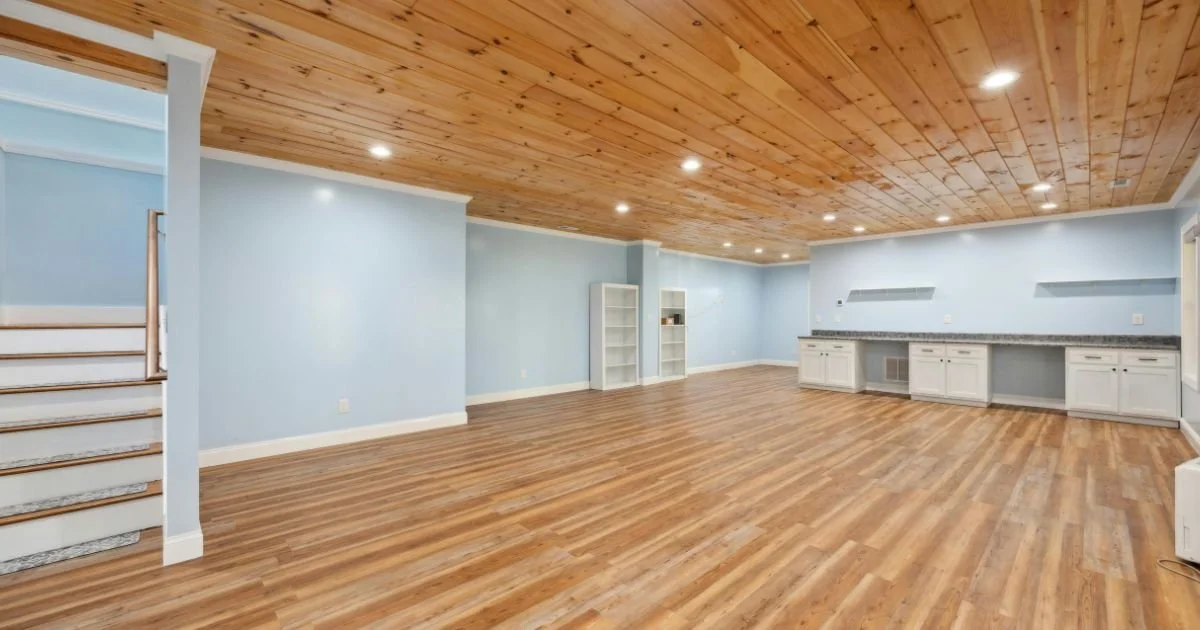
In Utah, basements used to be the place where holiday decorations, old baby gear, and boxes of “we’ll sort it later” went to hide. Now, that same square footage is becoming some of the most loved space in the home.
Across the Wasatch Front and beyond, families are turning unfinished concrete basements into warm family rooms, theater spaces, kids’ hangouts, and guest suites that feel like a high-end hotel. Instead of paying for more square footage in a move-up house, homeowners are discovering they already own the space—they just haven’t finished it yet.
At Berlin Homes, we see this shift every day. Once a basement is finished properly—with thoughtful lighting, quality flooring, and a layout that fits real life—it stops feeling like “downstairs” and starts feeling like an extension of the main level.
Why 2026 Is a Smart Year to Invest in Your Basement
The Utah housing market has cooled from the frantic peak years, but home prices remain strong and demand for functional space is still high. Forecasts for 2026 show continued price growth and increased home sales nationwide and in Utah, driven by lower interest rates and steady job growth.
For homeowners, that means two things:
Staying put is still often smarter than moving. Trading a low existing mortgage rate for a higher one on a bigger home doesn’t make sense for many families. Adding usable square footage in the basement can solve the space problem without taking on a dramatically larger payment.
Appraisers reward finished, legal square footage. Utah appraisers give real value to properly finished basement space—especially when it adds bedrooms, bathrooms, and functional living areas.
So in 2026, a finished basement isn’t just about “nice to have.” It’s one of the smartest ways to increase your home’s value, comfort, and flexibility at the same time.
How a Finished Basement Boosts Utah Home Value
How Appraisers Look at Finished Basements in Utah
When an appraiser evaluates your Utah home, they’re looking at more than just square footage on paper. They’re assessing:
Is the basement finished to a livable standard? (Insulated exterior walls, proper flooring, finished ceilings, heating and cooling, egress.)
Is the space functional? (Bedrooms, bathrooms, living areas, kitchens or wet bars, storage.)
Is the work permitted and up to code? (Electrical, plumbing, structure, and safety.)
Finished basement space may be valued a little differently than above-grade square footage, but it absolutely pushes your home into a higher price bracket—especially in markets like Utah where most buyers expect a finished basement in newer homes.
Adding just one more legal bedroom and bathroom downstairs can move your home into a different comparable group in your neighborhood, which often translates into a noticeably higher appraisal.
CHECK OUT: Basement Finishing Services with Berlin Homes
Typical Return on Investment for Basement Finishing
National remodeling data consistently shows that finished basements deliver a strong return on investment, often in the 60–70% range at resale.
In Utah, that ROI can be even better because:
Larger family sizes and multi-generational living are common. Extra bedrooms and living spaces are in high demand.
Many neighborhoods were built with unfinished basements, so the upgrade helps your home stand out.
Finished basements photograph beautifully and help your listing pop online, drawing more showings and better offers.
The financial picture gets even stronger when you remember that you’re enjoying the space for years before you ever sell. That’s “dividends” in the form of family memories, easier daily life, and more breathing room at home.
Finished Square Footage vs. Building an Addition
If you’re feeling squeezed, you basically have three options:
Move to a bigger house.
Build an addition.
Finish the space you already own in your basement.
Moving comes with higher mortgage costs, moving expenses, and the stress of uprooting kids from schools and friends. Building an addition usually means a new foundation, roof, exterior work, and possibly setbacks or HOA hurdles—costly and time-consuming.
Finishing a basement, on the other hand, uses the structure you already have. There’s no new roof to frame, no exterior siding to match, no foundation to pour. That’s why, per national data, finishing interior spaces like basements often costs significantly less per square foot than adding onto the home.
For Utah homeowners, especially in dense or HOA-controlled neighborhoods along the Wasatch Front, finishing the basement is usually the most cost-effective way to gain hundreds of square feet of usable, comfortable space.
Lifestyle Benefits Utah Families
Space for Growing Families and Multi-Generational Living
Utah families tend to grow quickly, and many homes reach that “we’re on top of each other” stage sooner than expected. A finished basement can easily turn into:
A separate teen lounge so the main floor stays calmer.
A playroom where toys live downstairs instead of all over the kitchen.
A private wing for grandparents or adult children, complete with bedroom, bathroom, and small sitting area.
Adding a basement bedroom with proper egress windows makes hosting guests easy. Pair it with a bathroom and a cozy sitting space, and you suddenly have a suite that feels private and comfortable instead of a spare mattress in the home office.
Home Offices, Gyms, and Hobby Spaces That Actually Get Used
Remote and hybrid work are here to stay in Utah. Many professionals need a quiet, dedicated place for video calls and focused work. The basement is perfect for this—especially when we design in:
Sound-insulated walls and ceilings.
Built-in desks, shelving, and storage.
Carefully placed outlets and data wiring.
The basement is also ideal for a home gym. The cooler air and resilient flooring make workouts more comfortable, and you don’t worry as much about dropping weights or equipment noise.
For families who love crafts, music, or gaming, we can design hobby rooms with durable surfaces, extra electrical capacity, and storage that keeps everything organized and out of sight when you’re not using it.
Guest Suites, Short-Term Rentals, and In-Law Apartments
Many Utah homeowners also look at their basement as an income or flexibility tool:
Guest suite: Perfect for out-of-town family, missionaries returning home, or friends visiting for ski season.
Mother-in-law apartment: With a separate entrance, small kitchen, and private bathroom, the basement can help families care for aging parents while everyone maintains privacy.
Potential rental: In certain cities and under specific zoning and HOA rules, a basement apartment can sometimes be rented long-term or as a short-term rental. Always check local regulations first, but when it’s allowed, this can turn your basement into a real asset.
Berlin Homes can design your basement with these possibilities in mind—adding sound separation, smart plumbing rough-ins, and floor plans that keep options open even if you’re not ready to rent right away.
Utah-Specific Design Considerations That Protect Your Investment
Insulation, Energy Efficiency, and Cold-Weather Comfort
Utah winters are cold and long, and summers can be hot and dry. A basement that’s not designed for our climate can feel chilly in winter and stuffy in summer.
We focus on:
Proper wall insulation and air sealing along the foundation walls.
Insulated subfloors or underlayment to take the “basement chill” out of your flooring.
Zoned HVAC or additional registers so the basement stays at the same comfortable temperature as the rest of the home.
Done right, your basement actually helps stabilize the whole home’s temperature, often reducing energy use over time.
Moisture Management, Radon, and Utah Soil Conditions
Utah is relatively dry, but basements still need to be designed for moisture and soil realities:
Drainage and grading outside to direct water away from foundation walls.
Vapor barriers and correct insulation types on interior walls to prevent condensation.
Radon testing and mitigation where needed, since much of Utah is in moderate-to-high radon zones.
We’ll never simply cover a problem with drywall and hope it disappears. At Berlin Homes, part of the design phase is identifying moisture risks, reviewing any existing cracks or seepage issues, and addressing them before the first stud goes up. That’s how you protect your investment long-term.
READ: How to Avoid Moisture Problems in Finished Basements
Smart Lighting, Ceiling Heights, and Working Around Ductwork
Many Utah basements start with low ceilings, ductwork, and few windows. Design is what transforms that into an inviting space:
Strategic use of recessed lighting plus warm accent fixtures to create layers of light.
Soft, light wall colors with warm wood or LVP flooring (like the photo you see) to add visual warmth.
Soffits that “disappear” into the design, grouping ducts and beams in clean lines instead of random box-outs.
Careful planning of furniture and TV locations so no one has to duck under ductwork or stare at awkward posts.
Our goal is to make your basement feel like it was always meant to be lived in—not like a space that was “finished later.”
READ: What Are The Right Materials When Finishing a Basement
Popular Utah Basement Ideas That Deliver High ROI
Family Media Rooms and Game Spaces
A comfortable media room is one of the most requested features in Utah basements. The natural darkness is ideal for:
A big sectional and large TV or projector.
Built-in surround sound.
Game tables, consoles, and plenty of charging outlets.
These spaces quickly become the heart of the home for movie nights, Jazz games, and Sunday gatherings.
Basement Kitchens, Wet Bars, and Entertaining Zones
If your family loves to host, a basement kitchen or wet bar can be a game-changer. Picture:
A beverage fridge, ice maker, and sink.
Cabinet storage for snacks, party ware, and small appliances.
A long counter for buffets during game nights or birthday parties.
A nicely finished kitchenette adds serious perceived value for future buyers while giving you daily convenience.
Additional Bedrooms and Bathrooms That Appraisers Love
In Utah, bedroom and bathroom counts matter. Adding:
One or two bedrooms with good closet space, and
At least one full or three-quarter bathroom
can move your home into a more desirable category for buyers and appraisers. If space allows, adding a second bathroom downstairs can be especially attractive for multi-generational setups or future rental potential.
Storage, Mudroom-Style Entries, and Gear Rooms for Outdoor Life
Utah families collect gear—skis, snowboards, camping supplies, sports equipment, bikes. A well-planned basement can include:
Built-in shelving and heavy-duty storage.
A small mudroom area by the basement entrance for boots and coats.
A “gear room” with hooks, racks, and durable flooring.
These practical spaces don’t just make life easier; they photograph beautifully and show buyers that the home was designed for real Utah living.