
Basement Bathroom Plumbing 101
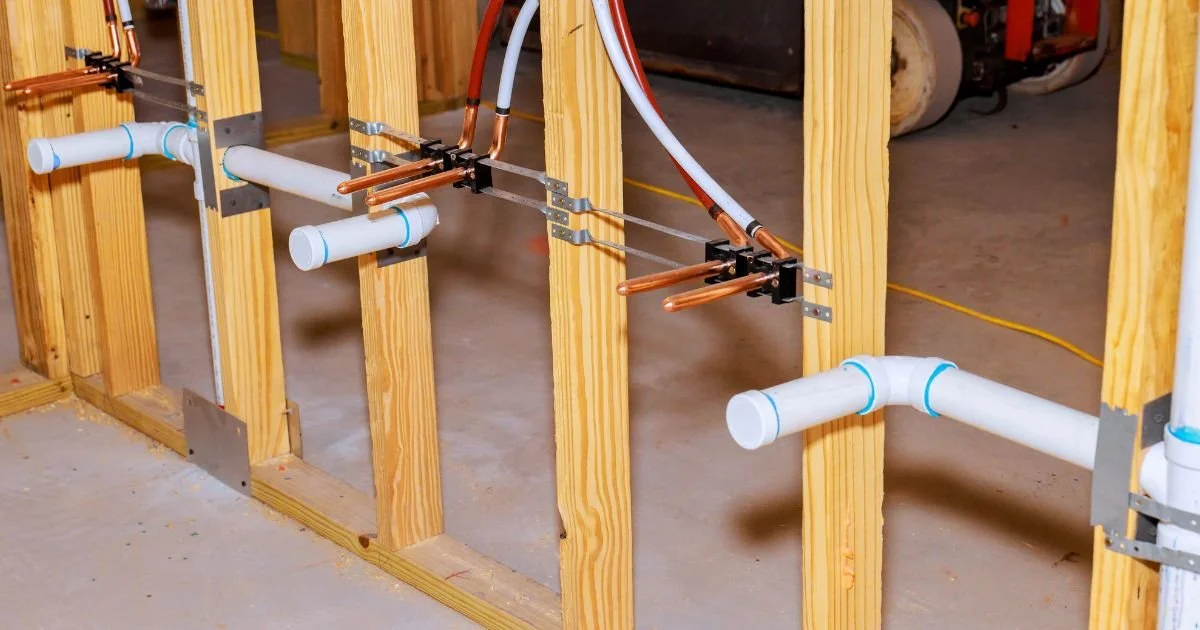
A basement bathroom changes how a home functions. It turns the basement from “extra space” into real living space—movie nights don’t pause for a staircase sprint, guests feel comfortable staying longer, and a growing family stops competing for the upstairs hallway bathroom.
But plumbing below grade can feel intimidating. People picture jackhammers, complicated pumps, and hidden problems that blow up a budget. The truth is simpler: basement bathroom plumbing is very predictable when it’s planned correctly. There are a few key decisions that determine cost, reliability, and how “luxury” the space feels once it’s finished.
At Berlin Homes, we build Utah basements that feel upscale without becoming unrealistic. That same approach applies to plumbing: we focus on smart layouts, code-correct systems, and details that protect your home long-term—while keeping the path to a beautiful basement bathroom straightforward and attainable.
How Plumbing Works Below Grade in Utah
Basement bathrooms follow the same basic rules as any bathroom—bring clean water in, move wastewater out, and vent the system so everything drains properly. The difference is elevation. Your basement fixtures may sit lower than the main sewer line leaving your home, and that changes how wastewater can travel.
What “below grade” changes (and why it matters)
In most Utah homes, the sewer line exits the house at a level that works great for the main floor bathrooms because gravity does the work. In a basement, your toilet, shower, and sink may sit too low for gravity to carry waste uphill to the sewer. When that happens, you need a method to lift wastewater to the correct elevation safely and reliably.
That’s where good planning makes all the difference. If we can use gravity, great. If we can’t, a properly installed pump system is a normal, proven solution—not a risky “last resort.”
The three plumbing systems you’re dealing with: supply, drain, vent
A basement bathroom is really three systems working together:
Water supply lines
These bring pressurized hot and cold water to your sink, toilet, and shower. Supply lines usually aren’t the hard part—pressure does the work.Drain and waste lines (DWV)
These remove wastewater. Drain lines rely on gravity when possible and must be sized, sloped, and routed correctly. Below grade, this is where most of the planning happens.Venting
Vents protect water seals in traps and allow drains to flow smoothly. Without correct venting, drains gurgle, run slow, and can let sewer gas smell creep into a finished basement—exactly what nobody wants after investing in a beautiful space.
Quick glossary: rough-in, stack, cleanout, trap, vent, ejector
If you’ve been looking at basement finishing in Utah, you’ve probably heard a few of these:
Rough-in: The plumbing placed before walls and finishes—drains in the slab, supply lines in framing, vent routes planned.
Stack: A main vertical pipe that carries waste (and often venting) through the house.
Cleanout: A capped access point that lets plumbers clear clogs without opening walls or tearing out finishes.
Trap: The curved section under a sink/shower drain that holds water to block sewer gas.
Vent: Piping that balances air pressure so traps stay sealed and drains flow correctly.
Sewage ejector pump: A sealed basin and pump that collects basement bathroom waste and pumps it up to the main sewer line when gravity can’t do it.
If you only remember one thing from this section, make it this:
Basement bathroom plumbing isn’t mysterious—it’s a series of clear decisions. Once you know whether you can drain by gravity or need a pump, everything else becomes a step-by-step build.
Step-by-Step Planning: How to Add a Basement Bathroom
A basement bathroom can be a simple, budget-friendly add-on—or it can become an expensive redo if the layout fights the plumbing. The goal is to design a bathroom that feels high-end, functions flawlessly, and keeps plumbing efficient.
Step 1: Decide the bathroom type based on lifestyle
Start with how your family will actually use the basement:
Half bath (toilet + sink): Great for entertainment basements, playrooms, or home theaters. Lower plumbing complexity, strong ROI for usability.
3/4 bath (toilet + sink + shower): The sweet spot for most Utah basements—ideal for teens, guests, and rental-style layouts.
Full bath (toilet + sink + tub/shower): Best for long-term guests, multi-generational living, or a basement bedroom suite.
If you’re finishing a basement for family hangouts, a 3/4 bath usually hits the best balance of comfort and cost. It feels “complete” without forcing a tub into a layout that doesn’t benefit from it.
Step 2: Choose the right location
Here’s the practical rule we use all the time:
The closer the basement bathroom is to existing plumbing, the more affordable it tends to be.
A good location usually means:
Near the main stack or existing bathroom above
Near existing rough-in plumbing (if your basement already has it)
In a spot that won’t steal headroom from key areas (ducts, beams, soffits)
A layout that keeps the shower/toilet runs short and direct
This is how you keep luxury attainable: you spend on finishes people see and touch, not on extra concrete cuts and long drain runs nobody notices.
Step 3: Confirm feasibility: existing rough-ins vs. new cuts
Many Utah homes have “bathroom rough-in” plumbing in the basement slab. That’s a strong head start, but it still needs verification:
Is the rough-in in the right location for your ideal layout?
Is the drain line sized appropriately?
Does the rough-in connect in a way that supports gravity drainage—or will it still need an ejector system?
If there’s no rough-in (or it’s not where you need it), it doesn’t mean the project is off the table. It simply means the plan should be intentional so you cut concrete once, route correctly, and build confidently.
Step 4: Budget wisely: where to invest, where to save
A basement bathroom can feel custom and elegant without driving plumbing cost through the roof.
Invest where it shows:
A beautiful vanity and mirror
Lighting that feels warm, not harsh
Quality shower glass and tile details
Quiet, powerful exhaust fan
Save where it doesn’t:
Keep the layout efficient to reduce drain runs
Use standard fixture locations (toilet, vanity, shower) that align with framing
Choose durable, mid-price fixtures from reputable brands rather than “statement” plumbing that complicates rough-in
When the plan is smart, you get the luxury look without paying luxury “rework” prices.
Drainage Options for Utah Basements
This is the fork in the road for basement bathroom plumbing. Once you pick the right drainage method, the rest of the system becomes very straightforward.
Option A: Gravity drain (best case scenario)
Gravity drainage is possible when your basement bathroom fixtures can drain downhill into the home’s sewer line without needing to be lifted.
Signs gravity might work:
Your home’s sewer exit point is low enough
The proposed bathroom is positioned close to the main drain line
There’s enough slope available for the drain runs
If gravity works, it’s typically the simplest system with fewer moving parts.
Option B: Sewage ejector pump (common and reliable)
When gravity can’t do the job, a sewage ejector pump is a standard, dependable solution. It’s not unusual, and it doesn’t need to be scary—when installed correctly, it’s clean, sealed, vented, and built for exactly this purpose.
How it works:
Wastewater flows into a sealed basin (usually below the slab)
The pump turns on automatically when the basin fills to a certain level
It pumps wastewater up to the main sewer line connection
The keys to doing it right:
Correct basin size and sealed lid
Proper venting
Check valve and shutoff strategy
Accessible service location (planned, not hidden behind “perfect finishes”)
This is one of those places where a professional basement finishing contractor earns their keep. A pump system done right is quiet, reliable, and easy to service if it ever needs attention.
Option C: Upflush toilet systems (fast, less invasive, not always ideal)
Upflush systems (sometimes called macerating systems) can be useful when homeowners want to avoid major concrete work. They grind and pump waste through smaller piping.
Where they shine:
Quick additions
Minimal slab cutting
Certain remodel situations with tight constraints
Where we’re cautious:
They can be louder than ejector systems
Long-term service and performance depends heavily on product choice and installation quality
They may not match the feel of a high-end, “built-in” bathroom if you’re aiming for a true luxury finish
For some homeowners, it’s a smart option. For many finished basements focused on long-term value, an ejector basin system feels more permanent and “house-like.”
How we choose the best option in real Utah homes
We look at:
Your basement’s elevation relative to the sewer exit
Distance to the main stack and drain line
Desired bathroom location and layout
Budget priorities (save on plumbing complexity, spend on design impact)
Long-term reliability and service access
The goal is always the same: a basement bathroom that drains properly, stays odor-free, feels upscale, and doesn’t require heroics to maintain.
Rough-In Plumbing: What Gets Installed Before the Walls Go Up
Rough-in is the “bones” of the basement bathroom. If this phase is done correctly, the finished bathroom feels effortless—everything lines up, drains run fast and quiet, and there are no surprises at trim-out.
Drain lines and slope: getting the fall right
Drain lines need consistent slope so wastewater moves efficiently without leaving solids behind. Too little slope leads to slow drainage and buildup. Too much slope can cause liquids to outrun solids, which also causes problems.
This is why basement bathroom plumbing isn’t a DIY guessing game. It’s measured, planned, and set before concrete is patched and walls are closed.
Toilet flange placement and layout precision
Toilet placement is one of the biggest layout “anchor points.” The flange has to be located precisely so your toilet sits correctly relative to:
Finished wall thickness
Flooring height
Vanity spacing and door swing
A small error here can turn into a big frustration later—especially in a basement where space is often more efficient and intentional.
Shower and tub drains (and why curbless needs extra planning)
Showers add moisture management needs and more detail at the drain. If you want:
A large walk-in shower
A linear drain
A curbless entry
…those can absolutely be done in a Utah basement, but they must be planned at rough-in. Curbless showers often require additional depth and smart floor system planning so the slope and waterproofing work without creating awkward transitions.
Water supply lines and shutoffs
Supply lines are routed through framing and should include thoughtful shutoffs:
Dedicated fixture shutoffs at the vanity
Smart placement for shower valve access (serviceable without tearing out tile)
Optional whole-bath shutoff strategy for peace of mind
A luxury-feeling bathroom isn’t just pretty. It’s also built like someone cared about the next 15 years.
Cleanouts and access panels: the “future-you will thank you” details
Cleanouts and access aren’t exciting, but they are the difference between:
“Easy service call in 30 minutes” and
“We have to open a finished wall”
We plan access panels in discreet locations so the basement stays beautiful and still stays practical.
Venting
Venting is one of the most misunderstood parts of basement bathroom plumbing—yet it’s what keeps the bathroom smelling fresh and draining like it should.
Why vents exist (and what happens when they’re wrong)
Every drain needs air behind it. Without proper venting:
Water can siphon out of traps
Drains gurgle and run slowly
Sewer gas odors can enter the space
A basement bathroom is especially sensitive because homeowners expect that lower level to feel clean and comfortable—not “basement-ish.”
Tying into existing vents vs. adding new venting routes
Often, the most efficient strategy is to tie into an existing vent system—particularly if the basement bathroom aligns with bathrooms above. When that’s not possible, venting routes can be added, but they must be designed so they remain code-correct and functional.
Common venting challenges in finished Utah basements
Utah homes often have tight framing bays, beams, and mechanical routes that influence vent runs. The best approach is to solve venting early—before the basement design locks in soffits and ceiling heights.
Good venting protects the investment you’re making in your finished basement. It’s not just about code. It’s about comfort.
Water Supply in Utah: Pressure, Hard Water, and Comfort Upgrades
Utah homeowners often notice two realities: water can be mineral-heavy in many areas, and families want comfort upgrades that don’t feel wasteful.
Hot water capacity and recirculation considerations
Add a basement bathroom and you add demand. If your home already runs low on hot water during busy mornings, a basement shower may push it over the edge.
Options we often discuss:
Water heater capacity evaluation
On-demand solutions (in the right scenarios)
Recirculation strategies for faster hot water to the basement
The goal: your new basement bathroom feels like a true extension of the home, not the “cold shower downstairs.”
Hard water realities (fixtures, scale, longevity)
Minerals can shorten fixture life and cause buildup on shower heads and valves. Choosing fixtures with serviceable cartridges and durable finishes helps. If your home already uses a water softener, we plan plumbing integration so your basement bathroom benefits too.
Comfort features that feel luxury but stay affordable
These are the upgrades that punch above their cost:
Pressure-balanced shower valve (steady temperature)
Handheld shower wand for flexibility
Quiet bath fan with humidity sensing
Well-placed shutoffs and access for future service
Luxury is often the experience, not the price tag.
Basement Bathroom Code, Permits, and Inspections in Utah
Permits and inspections can sound like a headache, but they’re actually homeowner protection—especially for plumbing behind finished walls.
Permits: what’s typically required and why it protects homeowners
A permitted basement bathroom project typically means:
Work is verified for safety and performance
Future buyers have fewer questions
Insurance and resale scenarios are cleaner
READ: What Are The Permits You Need To Finish Your Basement
Common inspection points
Inspectors typically look closely at:
Drain sizing and slope
Venting configuration
Pump/basin setup (if used)
Shutoffs and pressure testing (as applicable)
Electrical requirements tied to pumps and fans
Backwater valves and flood protection: when they’re recommended
In certain scenarios, a backwater valve can help protect a basement from sewer backups. Not every home needs one, but when it’s recommended, it’s worth taking seriously—because preventing a backup is always cheaper than restoring a finished basement bathroom.
Waterproofing and Moisture Control
A basement bathroom is a moisture zone inside a moisture-sensitive level of the home. When managed well, it feels crisp, dry, and inviting.
Why basements behave differently in Utah seasons
Utah’s temperature swings and seasonal changes influence how basements handle moisture. A finished basement should be built with controlled air movement and smart insulation strategies so the space stays comfortable year-round.
READ: How to Avoid Moisture Problems in Finished Basements
Bathroom-specific moisture control: fans, ducting, insulation
A quality exhaust system matters more in the basement than anywhere else. Proper ducting to the exterior (not into an attic space or soffit) helps keep humidity from lingering.
Leak-prevention details
The best waterproofing is proactive:
Proper shower pan/membrane systems
Water-resistant backer boards where needed
Optional smart leak shutoff devices for peace of mind
These choices keep the bathroom looking new, longer.
Design Meets Plumbing
This is where Berlin Homes shines: building a basement bathroom that looks custom, feels upscale, and stays practical.
Layout tips that reduce plumbing cost (without feeling “builder basic”)
Stack the bathroom near existing plumbing
Keep fixtures aligned on shared wet walls
Avoid unnecessary drain zig-zags under the slab
A smart layout makes the bathroom feel intentional, not cramped—and it controls cost.
High-end finishes that don’t complicate rough-in
These elevate the look without creating plumbing complexity:
Frameless glass shower
Large-format tile (fewer grout lines)
Statement lighting over a clean, timeless vanity
Matte black or brushed nickel finishes that hide water spots better
Space-saving upgrades that still feel elegant
Wall-mounted vanity look (with smart framing and plumbing planning)
Recessed shower niches
Pocket doors where appropriate
Thoughtful mirror and lighting sizing to make the room feel bigger
Cost Factors: What Drives Basement Bathroom Plumbing Price in Utah
Basement bathroom plumbing cost is driven less by “how fancy” the bathroom is—and more by what the house needs behind the scenes.
The biggest cost drivers
Concrete cutting and patching
Distance to the main stack/sewer connection
Whether a sewage ejector pump is required
Venting complexity
Access constraints (tight mechanical spaces)
How to stay affordable without cutting corners
Pick the best location, not just the most convenient corner
Keep drain runs short and direct
Choose reliable mid-tier fixtures and invest in the surfaces you see
Plan access panels and cleanouts now, not later
Where Berlin Homes recommends investing
If you want long-term value, invest in:
Proper venting and drainage design
Moisture control (fan, waterproofing)
A shower system that’s built to last
Service access that preserves your finishes
What to Expect During Basement Bathroom Plumbing
A good process makes the whole project feel calm and predictable.
Preconstruction: scope, plan, permit
Confirm drainage method (gravity vs pump)
Finalize layout and fixture locations
Plan vent routes and access points
Pull permits as required
Rough-in phase
Cut and trench slab if needed
Install drain lines, basin/pump system (if needed), venting, supply routing
Pressure test/verification steps as required
Inspections
Rough plumbing inspection (before insulation/drywall)
Any tied-in electrical inspection points (for pumps, fans)
Finish plumbing: fixtures, trim-out, final test
Set toilet, vanity, shower trim
Test flow, drainage, vent performance
Final inspection and punch list
A basement bathroom is one of the highest-impact upgrades you can make during a Utah basement finishing project. It adds comfort, boosts usability, and makes the basement feel like a true part of the home.
When it’s planned right, basement bathroom plumbing becomes predictable:
Choose the right location
Pick the right drainage method
Rough-in carefully
Vent properly
Protect the space with moisture control
Quick homeowner checklist
Do we have an existing basement bathroom rough-in?
Is gravity drainage possible, or do we need a sewage ejector pump?
Is venting planned early (before soffits and ceiling design)?
Are cleanouts and service access included?
Are we building for long-term durability, not just day-one appearance?
If you want a basement bathroom that feels elegant, functions flawlessly, and stays within a realistic budget, Berlin Homes can help you plan it with confidence—then build it once, the right way.
