
Should You Add a Fireplace to Your Finished Basement? Safety and Cost Basics
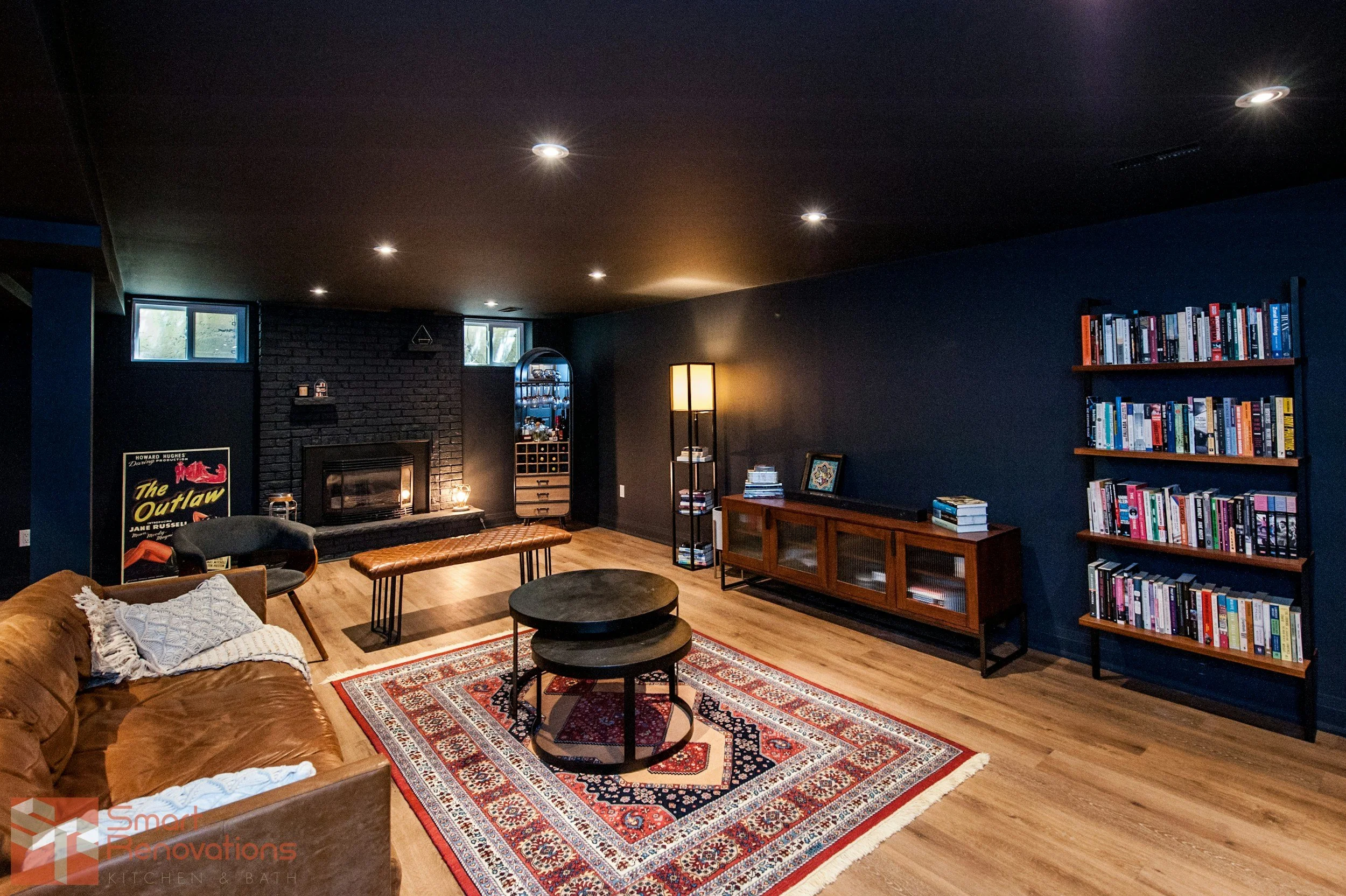
A finished basement should feel just as comfortable and inviting as the rest of your home. But during Utah's colder months, basement living areas can feel a little chilly, making it harder to enjoy that extra space.
Adding a fireplace can be a great way to bring warmth, comfort, and a touch of luxury to your basement. Before choosing one, though, it's important to understand the installation costs, safety requirements, and fireplace options that work best for your home.
Is Adding a Fireplace to Your Finished Basement Worth It?
Yes, adding a fireplace to your finished basement can be worth it, especially if you want a warmer, more comfortable living space with an attractive focal point. The key is choosing a fireplace that fits your basement's layout, heating needs, and budget.
For Utah homeowners, a basement fireplace makes even more sense during the winter. Imagine spending a snowy evening watching movies with your family in a cozy basement living room or relaxing beside a fireplace after a long day. It's a simple addition that can make your finished basement feel more like a natural extension of your home.
Beyond comfort, a basement fireplace offers several practical benefits:
Additional warmth: A properly sized heating fireplace can help make chilly basement living areas more comfortable.
Better atmosphere: The soft glow of a fireplace makes family rooms, entertainment spaces, and guest areas feel more inviting.
Elevated appearance: A fireplace can become a beautiful focal point without requiring an extravagant design budget.
Potential buyer appeal: A thoughtfully designed fireplace may make your finished basement more attractive to future buyers, although it doesn't guarantee an increase in resale value.
However, a fireplace isn't always necessary. If your basement already has excellent heating, you might prefer an electric fireplace primarily for its appearance. The goal is to add something you'll genuinely enjoy using without spending more than you need to.
What Type of Fireplace Is Best for a Finished Basement?
Not every fireplace works equally well in a basement. Some require ventilation and gas connections, while others need little more than an appropriate electrical setup.
Understanding these differences can help you choose the right fireplace for your basement finishing project.
Electric Fireplaces: Affordable and Easy to Maintain
For many Utah homeowners, an electric fireplace is one of the most practical choices. It creates the appearance of a traditional fireplace without burning wood or gas, making installation much simpler.
Electric fireplaces are particularly appealing for basement entertainment rooms, home theaters, and family lounges. Many models include adjustable flame colors, temperature controls, and the option to enjoy the flame effect without turning on the heat.
They also don't require chimneys or combustion vents, which can significantly reduce installation complexity.
The main limitation is heating capacity. Most standard 1,500-watt electric fireplaces are designed to provide supplemental warmth rather than heat an entire large basement.
Best for: Homeowners who want an affordable, low-maintenance fireplace with a modern appearance.
Gas Fireplaces: Real Flames and Reliable Warmth
If you love the appearance of real flames, a gas fireplace may be worth the investment. Gas fireplaces can provide substantial supplemental heat and create the comfortable atmosphere many homeowners imagine when designing their finished basement.
A direct-vent gas fireplace is often a practical option because its sealed system draws combustion air from outdoors and exhausts combustion gases outside.
However, installation requires more planning than an electric model. You'll need to consider gas line access, approved vent routing, exterior clearances, and professional installation.
This is especially important in Utah basements where portions of the exterior walls may sit below ground level.
Best for: Homeowners who prioritize authentic flames, stronger supplemental heating, and a more traditional fireplace experience.
Wood-Burning Fireplaces: Traditional but More Complicated
There's something appealing about a traditional wood-burning fireplace, but adding one to a basement is usually more complicated and expensive.
A wood-burning fireplace requires an approved chimney system, suitable combustion air provisions, proper clearances, and regular cleaning. These requirements can make installation challenging, particularly in an existing basement.
Utah homeowners also need to consider winter air-quality restrictions. In several Wasatch Front and northern Utah counties, wood burning is prohibited during mandatory no-burn periods.
For these reasons, an electric or direct-vent gas fireplace is often a more practical solution for a finished basement.
Basement Fireplace Safety: What Utah Homeowners Should Know
A fireplace should make your basement feel comfortable, not create unnecessary risks. Before selecting a model, it's important to understand the safety considerations that come with installing heating equipment in a below-ground living space.
Proper Ventilation and Carbon Monoxide Protection
Ventilation is one of the biggest considerations for gas and wood-burning fireplaces.
Fuel-burning fireplaces must have an approved system for handling combustion gases. Improper venting can allow dangerous gases, including carbon monoxide, to enter your home.
The Utah State Fire Marshal recommends installing carbon monoxide alarms on every level of the home and outside sleeping areas. Gas and wood-burning appliances should also receive regular professional inspections.
Electric fireplaces don't produce combustion gases, making them a convenient alternative for homeowners who want to avoid gas venting requirements.
Safe Placement and Fire-Resistant Materials
Fireplace placement affects both safety and the overall design of your basement.
Furniture, curtains, shelves, and other combustible materials must be kept outside the clearances specified by the fireplace manufacturer. Gas fireplace glass can also become extremely hot, so appropriate safety barriers are especially important in family spaces with young children or pets.
If you're planning a fireplace beneath a television, make sure the layout follows the manufacturer's heat-clearance requirements. Heat exposure can damage electronics, even when the fireplace itself is installed correctly.
A fireplace surround made with compatible tile, stone, or other approved materials can create an elegant appearance while meeting the appliance's installation requirements.
Building Permits and Local Requirements
Adding a fireplace isn't always as simple as purchasing a unit and having it installed.
Gas and wood-burning fireplaces generally require permits, and electrical modifications may also require approval. Local building departments determine the applicable requirements based on your location and project.
For example, the Greater Salt Lake Municipal Services District lists fireplace installation and basement finishing among projects requiring building permits.
Before construction begins, it's best to work with a qualified contractor who can review the fireplace specifications, coordinate the necessary trades, and confirm local permit requirements.
Taking care of these details early helps avoid expensive changes later.
READ: Ultimate Guide to Basement Finishing Permits in Utah
How Much Does It Cost to Add a Fireplace to a Basement?
The cost of adding a fireplace to a finished basement depends mainly on the fireplace type, installation requirements, and surrounding finishes.
An electric fireplace is generally the most affordable option, while gas and wood-burning models often involve more extensive construction.
Here are typical national installation cost ranges to help you start planning:
| Fireplace Type | Estimated Cost |
|---|---|
| Electric Fireplace | $200–$3,000+ |
| Gas Fireplace | $2,500–$10,000 |
| Wood-Burning Fireplace | Varies depending on chimney and construction requirements |
These are general planning estimates, not Berlin Homes quotes or Utah-specific prices. Custom fireplace walls, additional wiring, gas connections, permits, and structural modifications can increase the final cost.
Installation Costs and Additional Expenses
The fireplace itself is only one part of the investment. Depending on your basement's existing conditions, you may also need to budget for electrical work, gas piping, ventilation, framing, drywall, and finishing materials.
For example, installing a recessed electric fireplace within a new basement entertainment wall may be relatively straightforward during construction. Adding a gas fireplace to an already finished basement could require opening walls and finding a suitable route for the vent.
That's why fireplace planning is often easier when it's included in the original basement finishing project rather than added afterward.
How to Save Money Without Sacrificing Style
Creating an attractive fireplace doesn't mean choosing the most expensive materials or the largest unit available.
A simple electric fireplace surrounded by clean drywall finishes, attractive tile, or a modest mantel can look sophisticated without overwhelming your budget.
You can also save money by choosing a standard fireplace size, avoiding unnecessary custom framing, and planning electrical or gas connections before the walls are finished.
At Berlin Homes, we believe luxury should come from thoughtful design and quality workmanship, not simply spending more money. Choosing the right features for your lifestyle is what makes a finished basement feel special.
How to Plan a Fireplace for Your Basement Finishing Project
If you're considering a fireplace as part of your basement remodel, a little planning can help you avoid unnecessary expenses and design changes.
Step 1: Decide how you'll use the fireplace. Start by determining whether you primarily want additional heat, a decorative feature, or both. An electric fireplace may be ideal for a home theater, while a direct-vent gas fireplace might make more sense in a frequently used family room.
Step 2: Choose the right location. Think about where your furniture, television, walkways, and entertainment areas will go. The fireplace should complement the room without interfering with movement or taking up valuable floor space.
Step 3: Check your basement's existing conditions. Review available electrical capacity, gas access, ventilation options, and any moisture concerns. If your basement has water intrusion or inadequate insulation, those problems should be addressed before installing the fireplace.
READ: How To Insulate a Basement in Utah So It Stays Warm and Dry
Step 4: Establish a realistic budget. Include the fireplace, installation labor, necessary permits, and surrounding finishes. A detailed estimate helps you prioritize the features that matter most.
Step 5: Coordinate installation with your basement contractor. Planning the fireplace before framing and drywall allows the necessary connections, clearances, and design details to be incorporated into the overall basement layout.
Working through these steps makes the process easier and helps ensure the finished fireplace looks like it was always meant to be part of your home.
Make Your Basement Feel Luxurious With the Right Fireplace Design
A fireplace doesn't have to be large or elaborate to make a beautiful statement.
For a modern Utah basement, a sleek linear electric fireplace paired with a simple accent wall can create a clean, sophisticated appearance. Add comfortable seating and warm lighting, and you have a welcoming space for family movie nights or entertaining guests.
If you prefer something more traditional, a fireplace surrounded by natural-looking stone or neutral tile can bring warmth and texture into the room. A simple mantel also offers space for artwork, family photos, or seasonal decorations.
You might even consider incorporating your fireplace into a custom entertainment wall with built-in shelving and concealed storage.
The important thing is choosing a design that complements the rest of your basement. A well-designed fireplace should enhance the space rather than compete with everything around it.
Adding a fireplace to your finished basement can be a worthwhile investment in comfort, style, and everyday enjoyment. With the right fireplace type, proper safety planning, and a realistic budget, you can create a cozy living area without making your basement finishing project unnecessarily expensive.
Ready to turn your unfinished basement into a space your family will love? Contact Berlin Homes to discuss your basement finishing project and explore fireplace options that fit your vision and budget.
