
Should You Put a Full Kitchen in the Basement or Just a Kitchenette?
A finished basement changes how a home feels. It’s where Utah families spread out—movie nights, game days, big holiday gatherings, teenagers with friends, grandparents visiting, or a quiet place to work out when it’s snowing outside.
And once you start imagining that new space, the kitchen question comes up fast: Should you put a full kitchen in the basement—or keep it simple with a kitchenette?
At Berlin Homes, we’re known for building basements that feel upscale without being out of reach. A basement kitchen is a perfect example of where smart planning can create a luxury look while protecting your budget.
READ: Best Basement Layout Ideas for Utah Homes or What to Expect When Finishing a Basement in Utah
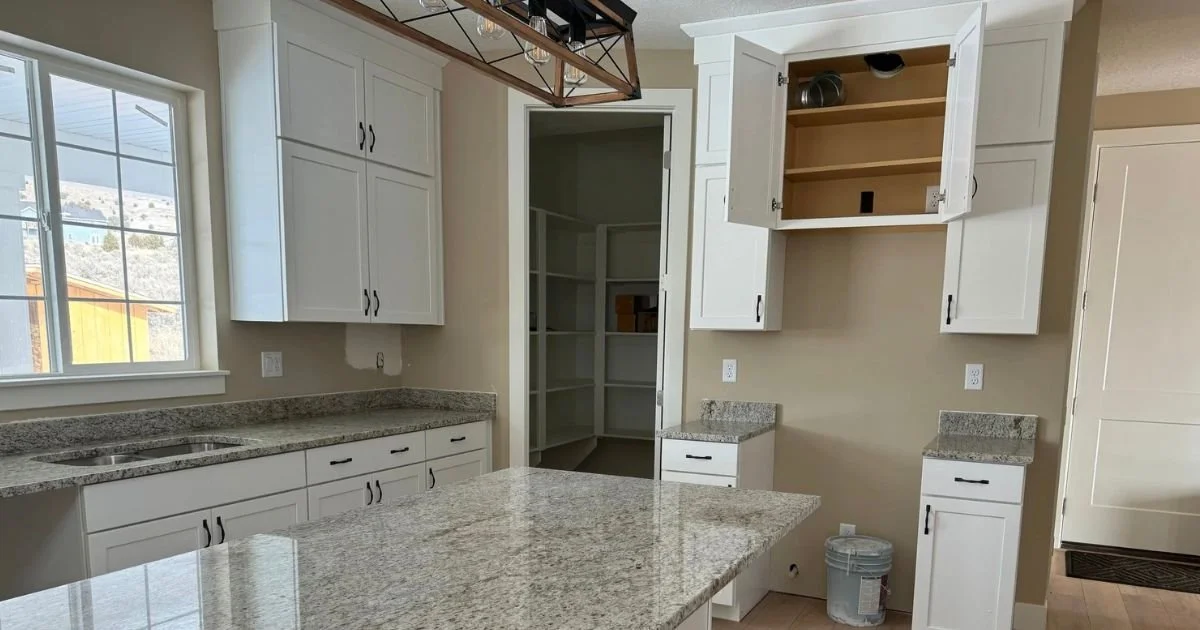
Full Kitchen vs. Kitchenette
Here’s the honest answer up front:
Choose a full basement kitchen if the basement will function like a separate living space (mother-in-law suite, basement apartment, long-term guests, rental potential).
Choose a basement kitchenette if your basement is primarily for entertaining, family hangouts, kids’ space, or a home theater—where you want convenience, not a second “main kitchen.”
Most homeowners don’t regret either choice—they regret building the wrong one for how they actually live. Let’s make sure that doesn’t happen.
What counts as a “full basement kitchen”?
A full kitchen typically includes:
A full-size refrigerator
A range/oven or cooktop
A sink (often larger)
A microwave (built-in or over-range)
Full cabinetry and meaningful counterspace for prep
Often a dishwasher and pantry storage
A full kitchen supports real cooking: weeknight meals, long stays, independent living, and rental-ready functionality.
What counts as a “basement kitchenette” (and what most homeowners really mean)
A kitchenette is a compact food-and-drink station designed for convenience:
A bar/prep sink (sometimes)
Under-counter fridge or beverage fridge
Microwave drawer or compact microwave
Cabinets and counterspace for snacks and serving
Optional dishwasher (often 18" if space is tight)
In many Utah basements, the kitchenette is the sweet spot: it keeps hosting easy, reduces trips upstairs, and makes the basement feel complete—without the cost and complexity of a full kitchen.
The fastest way to decide is to figure out your basement’s purpose
If you’re torn, use this quick filter based on what we see in Utah homes every week:
Basement apartment / rental potential / ADU-style setup
Full kitchen is usually the right move. Even if you don’t rent now, it keeps the option open and supports resale.Multi-generational living (parents, adult kids, long-term guests)
Full kitchen earns its keep. Independence matters, and shared upstairs kitchens can become stressful fast.Entertainment space (theater, sports lounge, game room)
Kitchenette is ideal. You’ll use it constantly without paying for features you won’t.Teen hangout + homework + snacks
Kitchenette or hybrid works best—especially with a sink, fridge, and good storage.Home gym + craft room + occasional guests
Kitchenette is plenty. Keep it simple and put the budget into finishes that elevate the whole basement.
Cost, Value, and Return
Utah homeowners are practical (in a good way). You want something that looks beautiful and functions well—but you also want to feel good about what you spent.
The cost difference between a basement kitchen vs. basement kitchenette usually comes down to three things:
Plumbing and drains
Electrical loads and circuits
Appliances + venting
Where the money goes in a full basement kitchen
A full kitchen often costs more because it can involve:
Additional plumbing lines and a more complex drain route
Higher electrical demand (range/oven circuits, dedicated appliance circuits)
Exterior venting requirements (depending on layout and local requirements)
Full appliance package
More cabinetry and countertop footage
Possible code upgrades if the basement is treated like a separate dwelling space
This isn’t about upselling—it’s about the scope. A full kitchen is a true build-out.
Where a kitchenette saves money (without feeling cheap)
A kitchenette can look high-end while staying budget-friendly because you can:
Use a smaller sink (or skip it if your goals allow)
Choose an under-counter or column-style beverage fridge
Go microwave + air fryer + plug-in induction (instead of a full range)
Minimize venting complexity
Reduce cabinet and countertop quantities without sacrificing style
A well-designed kitchenette still feels “finished.” It feels intentional—like a boutique lounge in your own home.
Resale value in Utah if your basement has a kitchen
In many Utah markets, a basement with apartment-like features can be a strong selling point—especially where multi-generational living is common. But there’s a flip side: some buyers prefer a flexible basement that doesn’t feel like a separate rental unit.
That’s why we often recommend planning around one question:
Do you want the basement to function independently without relying on the upstairs?
If yes, lean full kitchen. If no, kitchenette.
A smart middle-ground is to build a “future full kitchen” now
If you want affordability today but flexibility later, this is a strategy we love:
Install the cabinets, countertop, and fridge space now
Include a sink and proper plumbing rough-in
Add electrical capacity for a future range
Leave space and access for venting if you upgrade later
You get the look and daily convenience now—without committing to the full cost upfront.
Utah Permits and Code for a kitchen in your basement
This is where basement kitchens get real. A gorgeous design only stays gorgeous if it’s built correctly, permitted correctly, and protected against below-grade issues.
When a permit is typically required (and why it matters)
In most cases, adding plumbing, electrical circuits, or new walls in a basement remodel triggers permits. That’s not a hassle—it’s protection. Permits help ensure the work is safe, insurable, and ready for future resale.
A basement kitchen remodel in Utah often involves:
Plumbing permits (new sink, drain lines)
Electrical permits (new circuits, outlets, lighting)
Mechanical considerations (venting, HVAC adjustments)
If you’re considering a basement apartment setup, the scope can expand (egress, separation, sometimes additional requirements depending on the municipality).
Plumbing and drain planning (the part that’s easiest to underestimate)
Basement kitchens live or die by plumbing planning. The key challenges:
Drain slope (gravity needs the right pitch)
Distance to the main stack
Whether you’ll need an ejector pump (in some layouts)
A kitchenette with a small sink can be simpler than a full kitchen with a larger sink, dishwasher, and heavier use. The earlier you plan plumbing, the more you can avoid expensive surprises.
Electrical, lighting, and dedicated circuits
Basement kitchens need safe, modern electrical planning:
Dedicated circuits for refrigerators, microwaves, and dishwashers
Enough outlets along counters
Lighting that doesn’t feel like “basement lighting”
The right lighting plan is one of the most affordable ways to make the entire basement feel luxury.
Venting: recirculating hood vs. exterior vent
This is a big difference between a full kitchen and kitchenette.
Kitchenette: Often works well with microwave ventilation or a recirculating hood because you’re not doing heavy cooking.
Full kitchen: If you plan real cooking, exterior venting is usually worth it for comfort, odor control, and long-term satisfaction.
If you’ve ever had fried food smells linger during a Utah winter when windows stay shut, you already understand the value of proper venting.
Egress, fire separation, and basement apartment considerations
If your goal is a separate living space, a basement kitchen can bring additional requirements into the conversation:
Egress windows (for bedrooms)
Fire separation details between floors
Safe access and layout considerations
Even if you’re not building a “rental,” it’s wise to design with safety and future flexibility in mind.
Radon and moisture: protecting your investment in a below-grade kitchen
Utah has many areas where radon mitigation is worth considering, especially in finished basements. And moisture control matters everywhere.
A basement kitchen adds:
More water use
More cabinetry (materials that don’t love humidity)
More reasons to get the basement environment right
Smart basement finishing in Utah includes:
Proper insulation strategy
Moisture-resistant materials where it counts
Mechanical ventilation where needed
Optional radon mitigation planning if testing indicates it’s necessary
Design That Feels Luxurious
Layouts that work in Utah basements (even with lower ceilings)
Some of the best basement kitchen layouts we build:
Straight-line kitchenette along one wall (great for theaters and open rec rooms)
L-shaped kitchenette (more counterspace, still compact)
Galley-style for tighter basements
Island or peninsula when you want the “upstairs kitchen feel” without the full build
A peninsula with seating is a favorite in Utah basements—it creates a gathering spot without consuming the whole floorplan.
Cabinetry choices that look custom without the custom cost
You can get a high-end look with:
Full-height uppers where ceilings allow
Simple shaker doors (clean, timeless)
Matte black or brushed hardware
Intentional open shelving (done sparingly, in the right places)
The trick is consistency: repeat finishes from the main level so it feels like one cohesive home.
Countertops and finishes that hold up to real family life
For durability and everyday use, many Utah homeowners choose:
Quartz for low maintenance and consistent style
Granite when you want natural variation and strong value
Pair it with a clean backsplash and under-cabinet lighting and the space instantly feels elevated.
Flooring options that handle Utah seasons and spills
Basements see snow boots, slush, and big gatherings. Great options include:
Luxury vinyl plank (LVP) built for moisture resistance
Tile in high-use zones if you want maximum durability
Engineered materials designed for below-grade use (when the basement conditions support it)
Lighting: the difference between “basement kitchen” and “wow”
Lighting is where budget-friendly luxury really shows:
Recessed lights for clean coverage
Pendants over a peninsula or island for style
Under-cabinet lighting for depth and warmth
A basement kitchenette with great lighting often feels more upscale than a full kitchen with flat lighting.
Step-by-Step Planning: How to Build the Right Basement Kitchen Setup
Step 1: Define who will use it and how often
Ask:
Is this for daily meals or occasional snacks?
Will guests stay for weeks or just weekends?
Do you want rental potential later?
Step 2: Choose full kitchen, kitchenette, or “rough-in for later”
This is where you decide the level of investment:
Full kitchen = independent living
Kitchenette = convenience + entertaining
Future-ready = best of both worlds
Step 3: Map plumbing and mechanicals before you finalize layouts
Pick your kitchen location based on:
Where drains and water lines can run efficiently
How venting can be routed
How it impacts the rest of your basement layout
Step 4: Select appliances and confirm clearances
Appliance sizes drive cabinet and electrical planning. Decide early:
Full-size fridge vs. under-counter units
Range vs. microwave/induction combo
Dishwasher yes/no
Step 5: Lock materials that balance durability and budget
Choose:
Moisture-smart flooring
Cabinet materials that hold up
Countertops that don’t require babysitting
Step 6: Build timeline expectations (and how to avoid delays)
Basement kitchen delays usually come from:
Late appliance selections
Plumbing changes after framing
Electrical upgrades discovered mid-build
A clear plan upfront keeps your basement remodel smooth and predictable.
If you want the basement to operate like a separate home, a full kitchen is usually worth it.
If you want convenience, style, and a space that supports entertaining and everyday family life, a kitchenette is often the smarter (and more affordable) choice.
And if you’re still on the fence, the most budget-friendly luxury move is often this: build a beautiful kitchenette now and rough-in the option to upgrade later.
Berlin Homes helps Utah homeowners finish basements with craftsmanship you can feel—and pricing that still makes sense for real life. If you want help planning a basement kitchen or kitchenette that fits your layout, goals, and budget, we’ll walk you through it clearly and build it the right way! Click the button below to schedule an in-person estimate with us!
