
How To Plan a Basement Walkout in Utah
If your basement feels like wasted square footage, a walkout can change everything. It’s not just a door to the backyard — it’s the moment your basement starts living like the rest of your home. More light. Better flow. Easier access for guests, kids, and everyday life. And if you’ve ever pictured a basement apartment, a home gym that doesn’t feel underground, or a family room that actually gets used, a walkout is often the piece that makes it all click.
This guide walks you through the whole process: Utah basement walkout costs, space planning that feels elegant, and the code requirements you need to get right the first time.
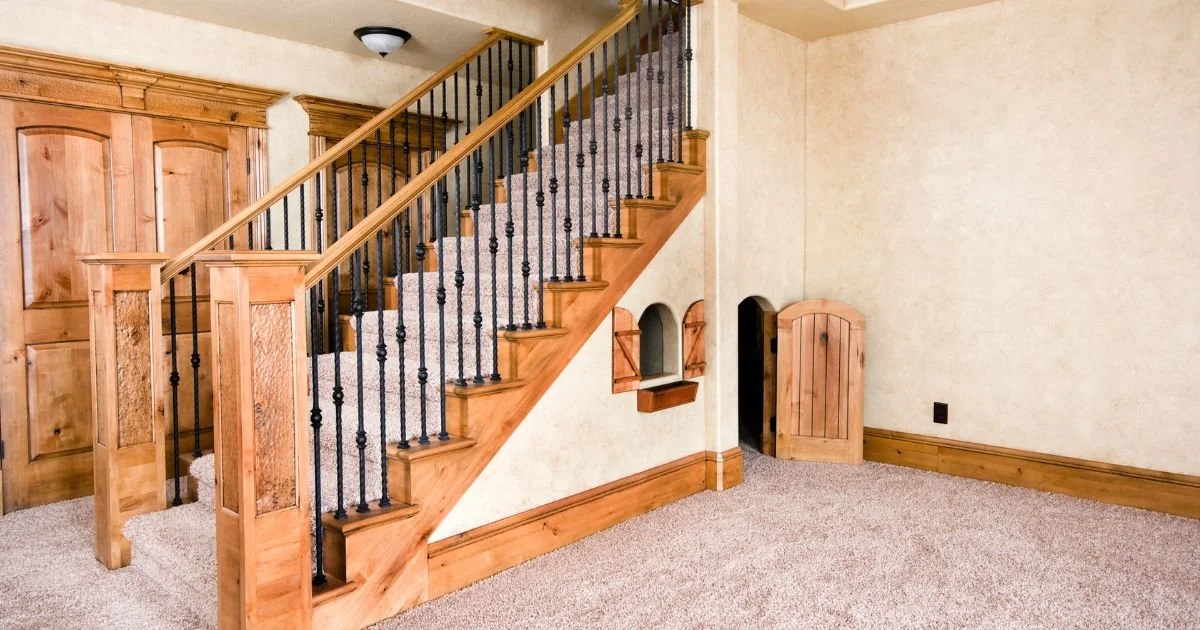
How to Plan a Basement Walkout in Utah
Planning a basement walkout in Utah comes down to three practical decisions: what it will cost, how it will function, and what your city will approve. Here’s the homeowner-friendly way to think about it before you get lost in floor plans and door styles.
What a “walkout basement” really means (and what it doesn’t)
A walkout basement has an exterior door that opens directly to grade — meaning you can walk outside without climbing stairs to the main level first. In Utah, that typically happens because the home sits on a slope, so one side of the basement is closer to ground level.
A few quick clarifiers:
A walkout is not automatically a “daylight basement,” but many walkouts include larger windows and more natural light.
A walkout door can help with egress, but code still depends on room use (especially bedrooms).
A walkout can be full-width (door and multiple windows) or partial (door plus a smaller patio or areaway).
Utah’s terrain advantage: why walkouts are common in Utah
Utah homes often sit on lots with natural grade changes — especially in foothill neighborhoods and communities built along rolling terrain. That makes walkouts more common here than in flatter markets. When the slope works in your favor, you can add a walkout with less disruption and get a basement that feels brighter and more connected to the yard.
Utah’s climate also matters:
Snow and freeze-thaw cycles put pressure on drainage details and door thresholds.
Spring runoff can reveal weak grading fast.
Hot summers make shaded patio access and cooler lower levels a real lifestyle perk.
The best walkout basements in Utah don’t just “pass inspection” — they’re designed to handle water, temperature swings, and everyday family traffic.
The three big planning questions: budget, layout, and approvals
Before you choose a door style or start shopping finishes, answer these three:
What’s the real budget for a basement walkout in Utah?
Walkouts can range widely depending on excavation, retaining walls, and foundation changes. We’ll break down realistic Utah pricing in a later section so you can plan confidently.How will you use the space once the walkout exists?
The door placement impacts everything: where the family room goes, how a basement apartment flows, where a bedroom can meet egress, and how natural light spreads.What will your city and HOA require?
Utah permitting and code requirements are manageable when you plan for them early — especially around structural work, drainage, and egress.
If you get these three right, the rest of the project becomes a series of smart, predictable decisions.
Step-by-Step Planning
A great walkout starts outside your house — literally. The most expensive walkout mistakes usually come from ignoring slope, drainage, or door location until the design is “already done.” Here’s the order we recommend for Utah homes.
Step 1: Check your lot slope and drainage plan
Start by understanding your grade. In simple terms: which side of your home is closest to ground level at the basement? That side is the natural candidate for a walkout.
What we look for on Utah lots:
Where water flows during snow melt (this is huge)
Downspout locations and where they discharge
Existing swales, hardscapes, and landscaping that might need changes
Whether a patio can slope away from the house properly
If your lot doesn’t naturally support a walkout, you may still be able to build one — but it can require more excavation, a deeper areaway, or larger retaining walls.
Step 2: Decide the walkout type (full, partial, or garden-level)
Not every home needs the same solution. In Utah, we typically see three workable styles:
Full walkout: The basement wall opens to grade with a door and often multiple windows. Best for maximum light and the most “main-level” feel.
Partial walkout: A door exits to a smaller patio/landing area. Works when grade is close but not perfect.
Garden-level / areaway exit: A sunken patio with steps up to the yard. Can be practical on flatter lots, but water management must be excellent.
If your goal is a basement apartment or a true indoor-outdoor family space, a full or partial walkout usually feels more natural.
Step 3: Pick the right exit location (privacy, views, and daily use)
This is where walkouts go from “functional” to “we love it.”
Ask:
Will the door open to a patio where you’ll actually sit?
Does it face neighbors’ windows, or is it private?
Do you want quick yard access for kids and pets?
Is there a natural path to the driveway or side gate?
A walkout door that opens to a narrow side yard no one uses can feel like a missed opportunity. Even on a budget, thoughtful placement is what makes the project feel custom.
Step 4: Map your interior layout around the door
Once the door location is set, the inside becomes easier. Good walkout layouts usually include:
A main gathering space (family room, game space, theater lounge)
A clear path from stairs to the door (no awkward turns)
Bedrooms placed where egress and privacy make sense
Storage tucked away so the “pretty space” stays open
One practical tip: if you want a basement that feels luxurious, avoid chopping the floor plan into tiny rooms right at the walkout. Let the light land in a larger space first.
Step 5: Plan HVAC, plumbing, and utilities early (so the basement feels “main level”)
Comfort is what separates a finished basement from a lower-level afterthought.
HVAC balance: basements can run cooler; you want intentional airflow, not “whatever reaches down there.”
Plumbing planning: if a bathroom, kitchenette, or wet bar is in the plan, map it before framing so you’re not boxed in.
Electrical: lighting design matters more underground. Layered lighting (recessed + accent + task) makes the space feel finished and upscale.
This is one area where “affordable luxury” is real: a smart plan costs far less than fixing it later.
Utah Basement Walkout Costs
Homeowners usually ask the same thing right away: “What does a basement walkout cost in Utah?” The honest answer is: it depends on how much earth and structure you have to move. But you can still get to a reliable range with a few clear scenarios.
Cost ranges in Utah (typical scenarios)
Here are common budget brackets we see for adding a basement walkout in Utah (the exterior work only). Your home’s foundation type, soil, and access can move the number up or down.
$15,000–$30,000: Favorable slope, straightforward excavation, minimal retaining, standard door and concrete work
$30,000–$60,000: More excavation, larger patio, moderate retaining walls, upgraded door system, more drainage work
$60,000–$100,000+: Significant structural changes, difficult access, major retaining walls, extensive concrete and landscaping rebuild
If you’re combining the walkout with a full basement finish, you’ll want to plan it as one coordinated project so the layout, utilities, and inspections all align.
The biggest cost drivers (excavation, retaining, doors, and concrete work)
Walkouts aren’t expensive because of the door — they’re expensive because of what it takes to make that door possible.
Excavation and hauling
Digging near foundations requires care. Soil type, access for equipment, and where the material goes all matter.Concrete cutting and foundation modifications
Creating an opening in a foundation wall can require engineering details like lintels or reinforcement.Retaining walls and structural landscape support
If you’re building into a slope, retaining often becomes the project. This is one of the largest variables in Utah walkout basements.Drainage and waterproofing
It’s not the glamorous part, but it’s the part you’ll be grateful for every spring.Door system choice
A standard exterior door is one thing. A wider sliding door or upgraded system can add cost — and it can also add the “wow” factor.
Budget-smart upgrades that still feel luxury
If you want the space to feel higher-end without stacking up costs, these are smart places to invest:
A wider door opening (when structure allows) to improve light and flow
A clean concrete patio with a future-ready plan (add a pergola later)
Thoughtful exterior lighting for safe, upscale night access
Inside: a light color palette and layered lighting so the basement doesn’t feel heavy
Luxury isn’t always a line-item. Often it’s proportion, light, and the way the space lives.
Financing and ROI: where walkouts add real value
In many Utah neighborhoods, a walkout helps in two ways:
It makes the basement feel like true living space (which supports resale appeal)
It opens the door to multi-use options: guest suite, rental-style layout, or a more independent teen hangout zone
A walkout won’t automatically pay for itself on paper in every case — but it can be the difference between “nice basement” and “we use this every day.”
Space Planning That Feels High-end
A walkout changes how you design the basement. Instead of treating the basement like a separate zone, you can plan it like a second main level — with better light, better flow, and more purpose.
Layout ideas Utah homeowners actually use (mother-in-law, gym, theater, office)
Here are walkout-friendly layouts we build all the time in Utah:
Family room + snack zone: The walkout opens to a patio, making it perfect for game days, kids’ friends, and summer evenings.
Home gym with outdoor access: Easy ventilation, better motivation, and a quick way to cool down in Utah’s dry heat.
Theater + lounge: Put the theater deeper in the basement, and keep the walkout side as the “bright lounge” zone.
Guest suite or mother-in-law style plan: A walkout supports privacy and easier access, especially when paired with a bathroom and kitchenette or wet bar.
Work-from-home office with daylight: A basement office feels completely different when it has natural light and a door to step outside between meetings.
A practical note: if you’re thinking “future flexibility,” prioritize a layout that can shift. A big open area near the walkout gives you options for years.
Natural light strategy: doors, windows, and wells
Utah basements can feel bright when you plan light intentionally:
Place the walkout door where it can “share” light with the main gathering space
Add windows on the walkout wall when possible
Use window wells strategically on other sides to balance brightness
Keep interior finishes lighter near the walkout: flooring, wall color, trim
Even if your walkout is partial, you can still create a daylight feel with the right mix of openings.
Storage, stairs, and traffic flow: avoiding the “basement maze”
Basements get choppy fast when storage and mechanical areas aren’t planned.
Keep the path from stairs to walkout clean and obvious
Put storage where you naturally need it: near stairs, near a mudroom-style landing, or along a hallway
Don’t sacrifice the best wall for random closets — save prime space for the rooms you’ll live in
If you want a basement that feels upscale, it should feel easy to navigate.
Materials that look high-end and hold up to Utah living
Affordable luxury is about choosing materials that age well:
LVP flooring in the right tone can look elegant and handle family life
Trim details (taller baseboards, clean casing) elevate the whole space
Solid-core doors improve sound and feel more “custom”
Moisture-smart choices in bathrooms and near exterior doors prevent future headaches
Utah families want beautiful, but they also want durable. You can have both.
Utah Code and Permit Requirements for a Basement Walkout
This is the part that protects your investment. A walkout affects structure, safety, drainage, and sometimes property lines. In Utah, the details vary by city, but the categories are consistent.
Permits you may need (and why skipping them backfires)
A walkout often requires permits because you’re changing:
A foundation wall opening
Exterior grade and drainage
Potential retaining walls
Sometimes electrical (exterior lighting) and HVAC adjustments
Skipping permits can create problems later when you sell, refinance, or file an insurance claim. The short-term “savings” can become long-term cost.
Egress requirements vs. a walkout door (they’re related, not identical)
Utah follows building codes that require proper egress for basement bedrooms — typically an egress window or door with compliant sizing and access. A walkout door can be part of an egress plan, but it doesn’t automatically solve egress for every sleeping room unless the layout and openings meet the requirements.
The right way to approach it:
Decide whether any basement rooms will be bedrooms
Design egress early (don’t treat it as a checkbox later)
Keep the plan consistent for inspections
Frost depth, foundation work, and structural rules
Utah’s freeze-thaw cycles matter. Exterior concrete, footings, and thresholds must be done correctly so you don’t end up with shifting, cracking, or water intrusion.
When you cut a foundation wall for a walkout opening, structural support must be handled properly. Depending on the wall and loads above it, you may need engineered reinforcement. This is one of those “do it once, do it right” moments.
Drainage, retaining walls, and safety considerations
If there’s one area to over-plan, it’s water.
Patios must slope away from the home
Drainage systems should move water out reliably
Retaining walls must be built to handle soil pressure and runoff
Exterior stairs or areaways need safe handrails and lighting
In spring, you’ll know whether the drainage plan was smart. A good contractor designs for that season.
HOA and city review: what to plan for in advance
Some Utah HOAs restrict:
Exterior changes visible from neighbors
Fence modifications
Patio placement and finishes
Cities may have requirements related to setbacks, grading, and wall heights. The best approach is to confirm these early so you’re not redesigning midstream.
Common Mistakes to Avoid (and How to Prevent Them)
Underestimating water management
Prevention: treat drainage like a core feature, not a detail. Grade, slope, drains, waterproofing — all planned together.
Placing the door where it fights your layout
Prevention: start with how you want to live in the basement, then set door placement to support it.
Choosing the wrong door system for Utah weather
Prevention: select a door that seals well and holds up to temperature swings. Proper flashing and threshold details matter as much as the brand.
Forgetting soundproofing and comfort details
Prevention: consider insulation, solid-core doors, and thoughtful HVAC. A basement that’s quiet and comfortable feels expensive in the best way.
A basement walkout in Utah is one of the best ways to turn unused square footage into real living space. It brings light, access, and flexibility — and when it’s planned correctly, it adds the kind of everyday value you feel immediately.
If you’re considering a walkout, the best next step is a planning conversation: confirm the lot potential, talk through layout goals, and get a cost range that matches your home and neighborhood.
When you’re ready, Berlin Homes can help you design a walkout basement that feels elegant, comfortable, and attainable — the kind of space your family will actually use.