
What Basement Insulation Works Best Against Cold Concrete Walls
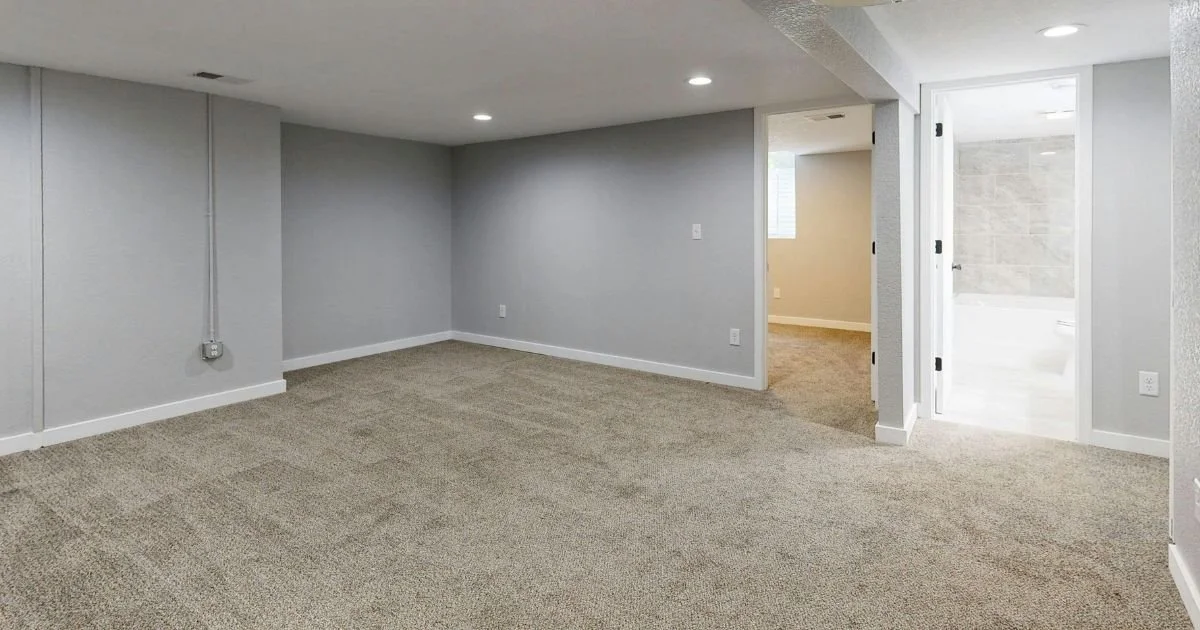
Cold concrete walls can make an unfinished basement feel uncomfortable even when the rest of the house is warm. That is especially noticeable in Utah winters, when basement walls stay cool and the lower level can feel less inviting than the rooms upstairs.
The right insulation changes that. It helps create a more stable indoor temperature, reduces cold surfaces, and gives you a better foundation for a comfortable family room, theater, bedroom, office, gym, or basement kitchen.
The important part is choosing insulation that works well against concrete—not simply using the same approach you would use in an upstairs framed wall.
What Insulation Works Best Against Cold Concrete Basement Walls?
For most finished basements, rigid foam and closed-cell spray foam are two of the strongest options against cold concrete walls.
Rigid foam is often a great choice for homeowners who want a good balance of comfort, moisture resistance, and affordability. Closed-cell spray foam offers excellent air sealing and insulation performance, but it usually comes at a higher cost.
Fiberglass and mineral wool can also be useful, but they generally work best inside a properly designed framed wall rather than being placed directly against concrete.
Rigid Foam Insulation
Rigid foam is one of the most practical options for basement foundation walls because it creates a continuous layer between the cold concrete and the finished living space.
That continuous layer helps reduce cold spots and thermal bridging. When the joints and edges are properly sealed, rigid foam can also help limit air movement.
For many Utah homeowners, rigid foam offers a strong balance between performance and budget. A framed wall can then be built in front of it for drywall, electrical wiring, plumbing, and additional insulation if needed.
Closed-Cell Spray Foam
Closed-cell spray foam is another strong option because it can insulate and air-seal at the same time.
It works especially well around irregular foundation areas, rim joists, and locations where cutting rigid foam would be difficult. Because the foam conforms to the surface, it can create a tight layer against the concrete.
The downside is cost. Spray foam is often more expensive than rigid foam, so it makes sense to use it where the extra performance justifies the investment rather than assuming the entire basement needs the most expensive option.
Fiberglass Insulation
Fiberglass remains popular because it is affordable and widely available. It can work very well inside framed wall cavities when the foundation side of the wall has already been addressed properly.
The mistake is simply pushing fiberglass against a cold concrete wall and covering it with drywall. Concrete can hold and transmit moisture, and fibrous insulation is not the material you want sitting in a damp environment.
Used correctly as part of a complete wall system, fiberglass can be a smart way to increase insulation value without overspending.
Mineral Wool Insulation
Mineral wool is another good cavity-insulation option. It provides thermal performance and can also help with sound control.
That makes it especially useful around basement bedrooms, home offices, theaters, bathrooms, and mechanical rooms. If you are building a basement where quiet and comfort matter, mineral wool may be worth considering in targeted areas.
READ: How To Insulate a Basement in Utah So It Stays Warm and Dry
Why Concrete Basement Walls Need a Different Insulation Strategy
Concrete foundation walls behave differently from the framed walls above ground. Much of the foundation is in direct contact with soil, so the wall can remain cold even when the interior of the home is comfortable.
If warm indoor air reaches that cold surface, condensation can develop under the right conditions. That is why basement insulation should do more than simply fill a wall cavity.
The goal is to create a system that helps separate the finished living space from the cold concrete while also managing air and moisture.
This is especially important in Utah. Even though the climate is relatively dry, basements can still be affected by snowmelt, irrigation, drainage issues, plumbing leaks, and temperature-related condensation.
READ: Common Basement Insulation Mistakes (And How To Avoid Moisture Problems)
What About Existing Basement Blanket Insulation?
Some Utah homes already have fiberglass blanket insulation attached to the concrete walls. Homeowners sometimes assume that means the basement is ready to frame and finish.
Not always.
Existing blanket insulation should be evaluated before new walls are built in front of it. The condition of the material, how it was installed, and how the new wall assembly will manage moisture all matter.
If you already have insulation on the basement walls, it is better to understand what is there before covering it permanently.
How Proper Insulation Improves a Finished Basement
Good insulation does more than help with energy efficiency. It changes how the basement feels.
A properly insulated basement is easier to keep comfortable during cold Utah winters. Exterior walls feel less chilly, bedrooms feel more inviting, and family rooms become spaces people actually want to spend time in.
That matters even more if you are investing in a home theater, guest suite, home office, or basement kitchen. Beautiful finishes are much more enjoyable when the room itself feels comfortable.
Insulation can also improve sound control when it is used strategically. Adding sound-focused insulation around bedrooms, offices, theaters, or mechanical rooms can make the entire basement feel more polished and private.
How to Choose the Right Insulation Without Overspending
The best insulation choice is not always the most expensive one.
For many homeowners, rigid foam against the foundation combined with a framed wall provides a strong balance of comfort and value. In other basements, spray foam may make more sense because of irregular walls, difficult rim joists, or the need for better air sealing.
The way you plan to use the space should also guide the decision. A theater may benefit from additional sound insulation, while a bedroom may need more attention around exterior walls and windows. A basement kitchen requires coordination between insulation, framing, plumbing, and cabinetry.
At Berlin Homes, we believe luxury and affordability work best when the budget is spent intentionally. The goal is to use the right materials in the right places so the finished basement feels comfortable, durable, and thoughtfully built without adding unnecessary cost.
Frequently Asked Questions About Basement Insulation
Is Rigid Foam or Spray Foam Better for Basement Walls?
Both can work very well. Rigid foam is often more budget-friendly and creates a continuous insulation layer. Closed-cell spray foam offers strong insulation and air sealing but typically costs more.
The right choice depends on the basement, wall design, and overall budget.
Can Fiberglass Go Directly Against Concrete?
Fiberglass generally should not be used directly against a below-grade concrete wall without a properly designed moisture-management system.
It is better used inside a framed cavity after the foundation side of the wall has been addressed.
Will Insulation Make My Basement Warmer?
Insulation does not create heat, but it helps slow heat transfer through cold foundation walls.
Combined with proper heating and airflow, it can make a finished basement feel much more comfortable and consistent.
It is easy to focus on flooring, cabinets, lighting, and other finishes when planning a basement remodel. Those details are exciting, but they work best when the space behind them has been built correctly.
The right insulation helps turn cold concrete walls into comfortable living space your family can actually enjoy. It also gives you a stronger foundation for everything that comes later, from a cozy theater to a guest room, home gym, or custom basement kitchen.
At Berlin Homes, we help Utah homeowners combine practical construction decisions with polished design so the finished space feels luxurious without becoming unnecessarily expensive.
If you are planning to finish your basement, talk with Berlin Homes about the right insulation and wall system for your home. We can help you create a basement that feels comfortable, looks beautiful, and fits your budget.
