
Basement Soundproofing Guide for Utah Homes
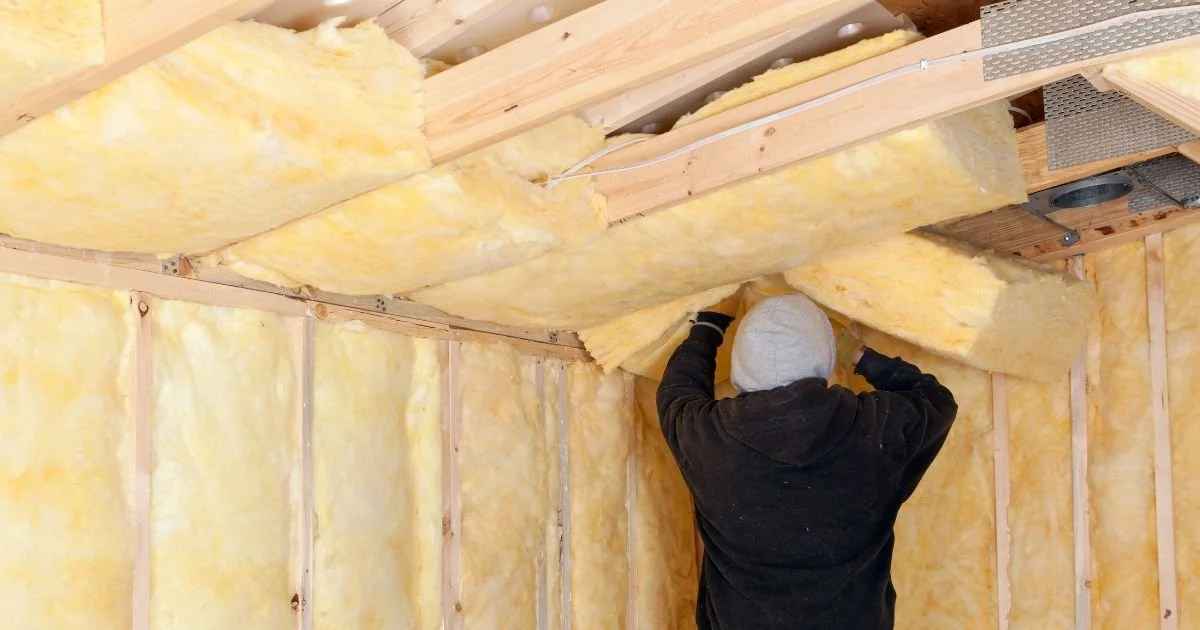
A finished basement should feel like a retreat—movie nights without waking the kids, a home gym that doesn’t shake the dining room chandelier, a basement apartment that feels private and respectful for everyone under one roof.
In Utah homes, basements do a lot of heavy lifting. We see them become theaters, guest suites, mother-in-law apartments, offices, playrooms, and workout zones—sometimes all in the same footprint. Soundproofing is what makes those spaces truly usable. It’s the difference between “nice basement” and “basement everyone actually enjoys.”
At Berlin Homes, we’re known for creating basements that feel high-end without turning into a high-stress, high-price project. Soundproofing fits that same philosophy: do the right steps in the right order, spend where it matters, and don’t pay for upgrades you’ll never feel.
Step-by-Step Plan
Let’s answer the topic straight on: the best way to soundproof a basement is to treat it like a system—ceiling, walls, floors, and all the little leaks—using four proven tactics: absorb, block, decouple, and seal. You don’t need “everything.” You need the right combination for your basement’s purpose.
Start with your goal: keep sound in, keep sound out, or both
Most Utah homeowners fall into one of these soundproofing goals:
Keep basement sound from traveling upstairs (the most common): theaters, gaming, music, kids’ hangout, gym.
Keep upstairs sound out of the basement: basement office, guest suite, nursery, study area.
Create privacy between rooms: basement bedroom near a family room, basement apartment, shared walls in townhomes.
Your goal determines where you put your money first. If you want the biggest improvement for everyday life, focus on the basement ceiling assembly and sealing.
Identify your “weak links” (ceiling, doors, ducts, stairs, and shared walls)
Sound doesn’t politely travel through the middle of a wall. It finds the easiest exit—almost always through:
Ceilings (joists act like sound highways)
Doors (hollow-core doors leak sound like crazy)
Ducts and return air (they can carry noise room-to-room)
Stairwells (an open stair is basically a sound chimney)
Unsealed penetrations (electrical boxes, pipe holes, can lights)
A lot of “soundproofing failures” happen because someone upgraded a wall but left the door hollow-core and the return-air wide open.
Choose your strategy: absorb, block, decouple, and seal
Here’s the homeowner-friendly system we use when planning basement soundproofing in Utah:
Absorb sound inside cavities (insulation in joists/walls reduces echo and airborne noise).
Block sound with mass (extra drywall layers, specialty membranes).
Decouple surfaces so vibrations don’t transfer (resilient channel or isolation clips).
Seal air gaps (acoustic caulk, gaskets, door sweeps—small details, big results).
If you remember one thing: sealing + ceiling upgrades usually deliver the most noticeable difference for the cost.
How Sound Actually Travels in a Basement (So You Don’t Waste Money)
If you’ve ever stood in your basement while someone walks across the kitchen and thought, “Why is that so loud?”—you’ve met the two types of noise.
Airborne noise vs. impact noise
Airborne noise: voices, TV, music—sound traveling through air and then through walls/ceilings.
Impact noise: footsteps, jumping, dropped weights—vibration traveling through framing.
Basements deal with both, but impact noise is usually what annoys families the most, especially above a basement living room or gym area.
Why basements can be louder than you expect
Utah basements often have:
Long open spans and shared joist bays that carry vibration
Hard surfaces (concrete, LVP, drywall) that reflect sound
Open stairways that funnel noise up like a megaphone
Mechanical rooms that add hum, water noise, and vibration
That’s why a soundproofing plan can’t be “one product.” It has to be a few coordinated moves.
The “4-lever” system: absorption, mass, decoupling, sealing
Here’s the practical truth: you can spend money in the wrong order and barely notice improvement. The best sequence is:
Seal obvious air leaks
Add absorption inside cavities
Decouple the ceiling or key walls
Add mass where needed (double drywall, damping compound, membranes)
Do it in that order and your budget works harder.
Soundproofing a Basement Ceiling (The #1 Priority for Most Utah Homes)
If you want to reduce basement noise upstairs, soundproofing the basement ceiling is your main event. It’s also where we can deliver a “luxury feel” (quiet, solid, private) without a luxury-level price tag—if you pick the right assembly.
Best-bang options (from affordable to high-performance)
Option A: Value Upgrade (noticeable improvement)
Insulate joist bays with mineral wool or sound-rated fiberglass
Seal edges and penetrations with acoustic caulk
Upgrade lighting plan to avoid lots of holes
Best for: general family rooms, playrooms, light TV watching.
Option B: Mid-Tier (our most popular for Utah families)
Mineral wool in joists
Resilient channel installed correctly
5/8" drywall (heavier = better blocking)
Acoustic caulk around perimeter
Best for: basement theaters, teen hangouts, offices above, everyday quiet.
Option C: High-Performance (when privacy is non-negotiable)
Mineral wool in joists
Sound isolation clips + hat channel (more consistent than resilient channel)
Double 5/8" drywall with a damping layer (commonly “Green Glue” style)
Full perimeter sealing + thoughtful HVAC strategy
Best for: home theaters, music rooms, basement apartments, shift workers sleeping downstairs.
Resilient channel vs. sound isolation clips
Homeowners ask this a lot, and the simplest answer is:
Resilient channel can work very well if installed perfectly (correct screw length, correct spacing, no “short circuits” into joists).
Isolation clips + channel cost more, but they’re more forgiving and often perform more consistently.
If you’re building a basement intended to feel upscale and calm—especially with a theater or apartment—clips are often the smarter long-term play.
Double drywall + damping compound: when it’s worth it
Adding mass is effective, but it’s not always necessary.
Choose double drywall with damping when:
You’re doing a home theater (especially with a subwoofer)
You want real privacy for a basement bedroom or apartment
The room above is a nursery, office, or light sleeper zone
If your basement is a casual family room and your biggest complaint is footsteps, you’ll get more value from decoupling + sealing + floor strategy upstairs than from stacking drywall alone.
Don’t forget the joist bays (insulation done right)
Insulation in the ceiling does two jobs:
Reduces sound reflections in the cavity
Helps dampen airborne noise
Mineral wool is a favorite for sound because it’s dense and stable. The key is full coverage, no gaps, and keeping wires/ducts from leaving big open channels.
How Sound Actually Travels in a Basement (So You Don’t Waste Money)
If you’ve ever stood in your basement while someone walks across the kitchen and thought, “Why is that so loud?”—you’ve met the two types of noise.
Airborne noise vs. impact noise
Airborne noise: voices, TV, music—sound traveling through air and then through walls/ceilings.
Impact noise: footsteps, jumping, dropped weights—vibration traveling through framing.
Basements deal with both, but impact noise is usually what annoys families the most, especially above a basement living room or gym area.
Why basements can be louder than you expect
Utah basements often have:
Long open spans and shared joist bays that carry vibration
Hard surfaces (concrete, LVP, drywall) that reflect sound
Open stairways that funnel noise up like a megaphone
Mechanical rooms that add hum, water noise, and vibration
That’s why a soundproofing plan can’t be “one product.” It has to be a few coordinated moves.
The “4-lever” system: absorption, mass, decoupling, sealing
Here’s the practical truth: you can spend money in the wrong order and barely notice improvement. The best sequence is:
Seal obvious air leaks
Add absorption inside cavities
Decouple the ceiling or key walls
Add mass where needed (double drywall, damping compound, membranes)
Do it in that order and your budget works harder.
Soundproofing a Basement Ceiling (The #1 Priority for Most Utah Homes)
If you want to reduce basement noise upstairs, soundproofing the basement ceiling is your main event. It’s also where we can deliver a “luxury feel” (quiet, solid, private) without a luxury-level price tag—if you pick the right assembly.
Best-bang options (from affordable to high-performance)
Option A: Value Upgrade (noticeable improvement)
Insulate joist bays with mineral wool or sound-rated fiberglass
Seal edges and penetrations with acoustic caulk
Upgrade lighting plan to avoid lots of holes
Best for: general family rooms, playrooms, light TV watching.
Option B: Mid-Tier (our most popular for Utah families)
Mineral wool in joists
Resilient channel installed correctly
5/8" drywall (heavier = better blocking)
Acoustic caulk around perimeter
Best for: basement theaters, teen hangouts, offices above, everyday quiet.
Option C: High-Performance (when privacy is non-negotiable)
Mineral wool in joists
Sound isolation clips + hat channel (more consistent than resilient channel)
Double 5/8" drywall with a damping layer (commonly “Green Glue” style)
Full perimeter sealing + thoughtful HVAC strategy
Best for: home theaters, music rooms, basement apartments, shift workers sleeping downstairs.
Resilient channel vs. sound isolation clips
Homeowners ask this a lot, and the simplest answer is:
Resilient channel can work very well if installed perfectly (correct screw length, correct spacing, no “short circuits” into joists).
Isolation clips + channel cost more, but they’re more forgiving and often perform more consistently.
If you’re building a basement intended to feel upscale and calm—especially with a theater or apartment—clips are often the smarter long-term play.
Double drywall + damping compound: when it’s worth it
Adding mass is effective, but it’s not always necessary.
Choose double drywall with damping when:
You’re doing a home theater (especially with a subwoofer)
You want real privacy for a basement bedroom or apartment
The room above is a nursery, office, or light sleeper zone
If your basement is a casual family room and your biggest complaint is footsteps, you’ll get more value from decoupling + sealing + floor strategy upstairs than from stacking drywall alone.
Don’t forget the joist bays (insulation done right)
Insulation in the ceiling does two jobs:
Reduces sound reflections in the cavity
Helps dampen airborne noise
Mineral wool is a favorite for sound because it’s dense and stable. The key is full coverage, no gaps, and keeping wires/ducts from leaving big open channels.
Soundproofing Basement Walls (Exterior, Interior, and Shared/Party Walls)
Walls matter most when you’re dividing spaces—bedroom next to a family room, bathroom next to a theater, or apartment boundaries.
Concrete foundation walls: what helps and what doesn’t
Concrete blocks sound better than standard framing, but it’s not automatically “soundproof.” The weak points are usually:
Rim joist areas
Windows
Framed furring walls
Any penetrations
If you’re finishing concrete walls, the best approach is often a properly framed wall with insulation, then drywall—designed as part of the full system.
Framed walls: insulation, channels, and mass layers
For interior basement walls, a cost-effective sound upgrade looks like:
Mineral wool insulation in stud bays
5/8" drywall instead of 1/2"
Acoustic caulk at edges
For better performance:
Add resilient channel on one side
Or use a staggered-stud or double-stud wall where space allows
A small detail that makes a big difference: don’t back-to-back electrical boxes on opposite sides of the same wall.
Townhomes and mother-in-law apartments: extra steps for privacy
If you’re in a townhome or finishing a basement apartment, privacy is the goal—not just “less loud.”
Consider:
Clips/channel and double drywall on shared walls
Solid-core doors and sealed frames
Dedicated returns or lined ducts so sound doesn’t travel through HVAC
This is where a coordinated plan protects your investment and your relationships.
Quiet Floors: Underlayment, Carpet, LVP, and Floating Floors
Floors are about comfort, warmth, and impact noise control. Utah families love LVP for durability, but hard surfaces can get clicky and echoey if you don’t plan ahead.
Impact noise basics (footsteps, workouts, dragging chairs)
Impact noise travels through structure. If your basement ceiling is upgraded but the upstairs floor is hard and thin, you’ll still hear a lot.
Good strategies:
Softer floor finishes where it makes sense (carpet in cozy zones)
Quality underlayment under LVP
Rubber flooring in gym areas
Practical options that still feel upscale
Carpet + dense pad: still one of the best “quiet luxury” moves for a basement lounge or theater.
LVP + premium acoustic underlayment: great for durability, and it can feel high-end if you choose a wider plank and warm tone.
Area rugs: a simple, affordable sound and style upgrade, especially in open basements.
Gym areas: rubber flooring without the echo chamber
For a home gym:
Use thicker rubber in the lifting zone
Consider wall padding or acoustic panels for slap-echo
If you’re doing heavy weights, we plan the structure and flooring together so it feels solid and controlled
Seal the Gaps: Doors, Stairs, Windows, Electrical, and Can Lights
This is the section most homeowners skip—and it’s often the reason soundproofing “didn’t work.”
Solid-core doors, sweeps, and seals
A hollow-core door can undermine thousands of dollars in wall upgrades.
Upgrade to:
Solid-core doors
Quality latch/strike alignment
Door sweeps + perimeter seals
For bedrooms, theaters, and offices, this is one of the best value upgrades.
Stairwell sound control that still looks elegant
Open stairs are beautiful, but they carry sound.
Options that keep things attractive:
Add a door at the bottom or top of the stairs (with proper trim detail)
Use a heavier, more substantial door style that matches the home
Add soft finishes nearby (runner, wall art panels, upholstered bench) to reduce reflection
Electrical boxes and penetrations: the hidden sound leaks
Anywhere air can pass, sound can pass.
We typically address:
Sealing around electrical boxes
Using putty pads where appropriate
Sealing pipe penetrations and framing gaps
Avoiding excessive recessed can lights in sound-sensitive ceilings
HVAC and Mechanical Noise (Utah Basements Need This)
Utah basements often run year-round: cool in summer, warm in winter. That means HVAC matters more than homeowners expect—not just for comfort, but for sound.
Duct-borne noise and return-air “megaphones”
Ducts can act like speakers between rooms.
Smart fixes include:
Lined duct sections where needed
Thoughtful return placement (and not oversized open grilles right by the theater)
Avoiding direct line-of-sight duct paths between noisy and quiet rooms
Quieting a furnace room, water heater, and plumbing
Mechanical rooms can be made quieter with:
Insulated, well-sealed walls and doors
Vibration pads where needed
A plan for plumbing noise (especially around bathrooms and laundry)
Basement bathroom sound control (fans, pipes, and walls)
Bathroom privacy is a big deal for resale and comfort.
We often recommend:
Insulating bathroom walls
Sealing penetrations
Choosing a quieter fan (and installing it properly)
Planning pipe routes to avoid “noise sharing” with bedrooms
Basement Home Theater Soundproofing (Luxury Feel Without Luxury Cost)
A basement theater is one of the most rewarding Utah basement upgrades—if it feels immersive and doesn’t take over the whole house.
Minimum recommended assembly for a theater room
A strong “minimum” theater sound plan typically includes:
Ceiling decoupling (channel/clips)
Insulated cavities
Heavier drywall
Solid-core door + seals
Sealed edges and penetrations
This is how you get that high-end “cinema hush” when the movie starts.
Speaker placement, bass control, and room acoustics
Soundproofing stops sound from leaving. Acoustics make the room sound better inside.
For a theater that feels expensive:
Plan speaker placement before wiring
Treat bass with layout and soft surfaces
Use acoustic panels strategically (not everywhere)
Acoustic panels vs. soundproofing: how they work together
Soundproofing = keeps sound from traveling to other rooms
Acoustic treatment = improves clarity and reduces echo inside the room
Both matter. They just solve different problems.
Cost Guide: What Basement Soundproofing Typically Costs in Utah
Prices vary by scope, ceiling height, existing conditions, and how many rooms you’re treating. A helpful way to think about it is “packages.”
Budget, mid-tier, and premium packages
Budget-minded: insulation + sealing + smart door choices
Mid-tier (most popular): insulation + resilient channel + 5/8" drywall + sealing
Premium: clips/channel + double drywall with damping + upgraded HVAC strategy + solid-core doors throughout
Where to spend first for the biggest improvement
If you want results you’ll feel daily:
Ceiling strategy
Doors and sealing
HVAC/returns
Key walls (bedrooms/theater boundaries)
Floors and gym zones
Common “overspends” we help homeowners avoid
Buying expensive products but leaving gaps unsealed
Adding mass without decoupling (limited improvement)
Ignoring HVAC sound paths
Upgrading walls while keeping hollow-core doors
Permits, Codes, and Practical Utah Considerations
Soundproofing should never compromise safety or future resale.
Fire safety, egress, and why some materials matter
Basement finishing in Utah often involves bedrooms, which require proper egress. Door choices, wall assemblies, and mechanical room separations should respect safety requirements and good building practice.
Moisture control, insulation, and Utah’s temperature swings
Utah’s climate swings mean comfort matters. A well-insulated basement often feels quieter because it’s tighter, warmer, and less drafty. When we plan soundproofing, we also keep moisture and insulation strategy in mind so the basement stays comfortable for the long haul.
Planning for resale value and multi-purpose family spaces
The highest-value basements are the ones that function smoothly:
Quiet bedroom zones
A family room that doesn’t disturb the rest of the home
A theater or gym that feels intentional, not improvised
Sound control helps every one of those feel more refined.
Soundproofing isn’t just about “less noise.” It’s about turning your basement into a space that feels calm, premium, and truly separate—without making the project complicated or out of reach.
Quick checklist: your soundproofing game plan
Define your goal (upstairs quiet, basement privacy, theater performance)
Prioritize the ceiling
Insulate cavities
Decouple where it counts
Add mass when needed
Seal every gap
Treat doors like part of the system
Don’t let HVAC become your sound tunnel
If you’re finishing a basement in Utah and want it to feel luxurious without the luxury markup, we’ll map out a sound plan that matches your space: practical where it should be, elevated where it matters, and built to feel right every day you live there. Click the button below to schedule a consultation!
