
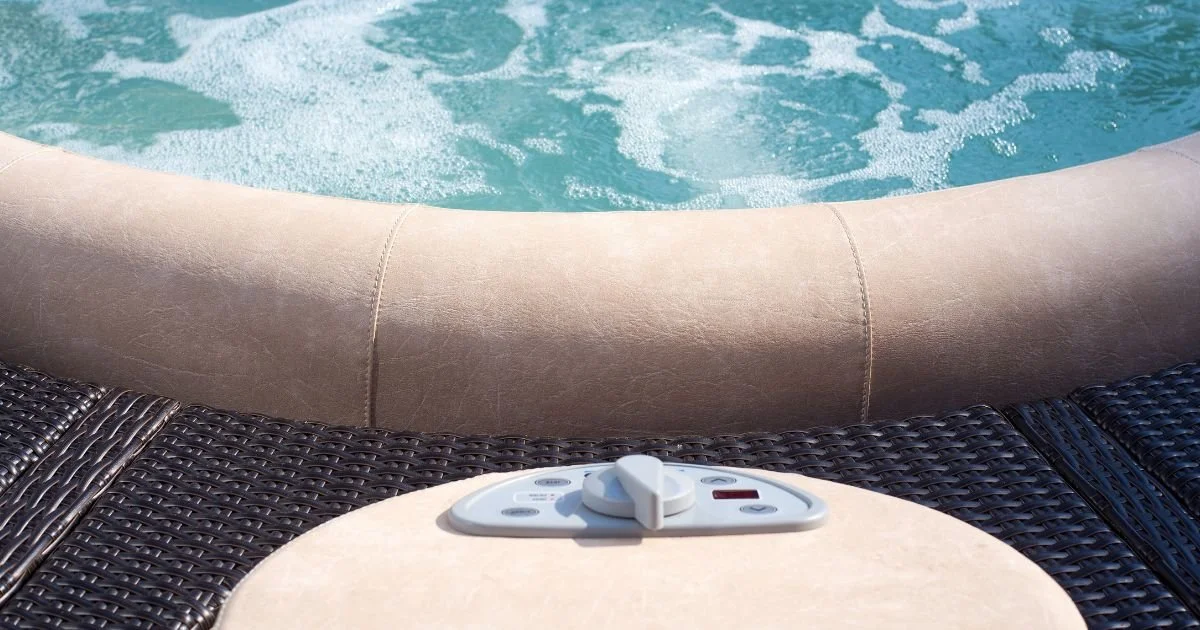
Imagine coming home after a long day and relaxing in your own private Jacuzzi without stepping outside. For Utah homeowners looking to make their basements more comfortable and luxurious, an indoor Jacuzzi can be an exciting addition.
However, installing one involves more than finding the perfect tub. From moisture control to installation costs, understanding what your basement needs can help you decide if this upgrade is worth the investment.
Is an Indoor Basement Jacuzzi Worth It?
Yes, an indoor basement Jacuzzi can be worth it if you want a private, year-round relaxation space and plan to use it regularly. It can transform an ordinary basement into a personal spa, offering comfort, privacy, and convenience without leaving home.
For Utah homeowners, the biggest advantage is being able to enjoy a warm soak throughout the year, especially during the colder months. An indoor Jacuzzi can also complement a finished basement that includes a home gym, bathroom, or dedicated wellness area.
However, the investment makes the most sense when the basement is properly prepared for the additional moisture, weight, and electrical requirements. Without the right planning, problems such as excessive humidity, water damage, and costly repairs can outweigh the benefits.
It's also important to distinguish between a Jacuzzi-style jetted bathtub and a full hot tub. A jetted bathtub is typically drained after each use, while a hot tub holds heated, treated water between uses. Both can create a spa-like experience, but a full indoor hot tub generally requires more extensive planning and ongoing maintenance.
Benefits of Having an Indoor Jacuzzi in Your Basement
Year-Round Relaxation, Even During Utah Winters
Utah's changing seasons can make outdoor relaxation less convenient, particularly during snowy winter evenings. An indoor Jacuzzi lets you enjoy warm water and a comfortable environment without worrying about freezing temperatures, snow, or strong winds.
For homeowners in Eagle Mountain, Saratoga Springs, Lehi, and surrounding Utah communities, this can make the basement a more inviting part of the home throughout the year. Instead of leaving the lower level unused, you can create a space designed for relaxation after work, exercise, or a busy day with family.
A Private Spa Experience at Home
One of the most appealing reasons to install an indoor Jacuzzi is the privacy it offers. You can enjoy a peaceful soak without traveling to a resort, booking appointments, or sharing the space with strangers.
With the right basement design, you can make the experience feel luxurious without making every finish expensive. Warm lighting, attractive tile, comfortable seating, and thoughtful storage can create a relaxing atmosphere while keeping the overall design practical.
More Ways to Enjoy Your Finished Basement
A Jacuzzi doesn't need to be the only feature in your basement. It can become part of a larger recreational or wellness space that gives your family more reasons to use the lower level.
For example, you could combine your Jacuzzi area with:
A home gym for post-workout relaxation.
A bathroom with a walk-in shower.
A comfortable lounge with soft lighting.
A sauna or dedicated wellness room.
A well-planned basement finishing project can make these features feel connected rather than crowded. The key is creating a layout that allows each area to function comfortably while keeping moisture away from spaces with furnishings and electronics.
What Should You Consider Before Installing a Basement Jacuzzi?
An indoor Jacuzzi comes with additional requirements that homeowners shouldn't overlook. Before purchasing a tub or finalizing your basement layout, it's important to understand how the installation will affect your home.
Structural Support and Available Space
A filled hot tub can weigh several thousand pounds once the water and occupants are included. Although many Utah basements have concrete slab floors, the slab and underlying ground still need to be evaluated for the specific model and installation conditions.
You'll also need enough room for people to enter and exit comfortably, remove the cover, and access equipment for maintenance. Before choosing a Jacuzzi, measure the basement stairs, doorways, ceiling height, and any tight turns along the delivery route.
Ventilation and Moisture Control
Moisture control is one of the most important parts of installing an indoor basement Jacuzzi. Warm water releases humidity into the air, which can lead to condensation, mold, and damage to walls or ceilings if the space isn't properly designed.
A standard bathroom exhaust fan may not be sufficient for a full indoor hot tub. Depending on the room and tub size, your project may need dedicated ventilation, dehumidification, moisture-resistant materials, and a properly insulated, sealed building envelope.
An insulated hot tub cover can also help reduce evaporation and heat loss when the Jacuzzi isn't being used. Planning these features from the beginning is usually more practical than addressing moisture problems after the basement is finished.
READ: Common Basement Insulation Mistakes (And How To Avoid Moisture Problems)
Plumbing, Electrical Work, and Drainage
Indoor Jacuzzis require safe electrical installation, reliable water access, and a way to drain or manage water during maintenance. Some models need dedicated electrical circuits, while other requirements depend on the equipment and manufacturer specifications.
Proper ground-fault circuit-interrupter (GFCI) protection and electrical bonding are especially important around hot tubs. A qualified electrician should handle the installation according to applicable local codes.
It's also worth planning for splashing, spills, and the occasional need to drain the tub. Water-resistant flooring, suitable drainage arrangements, and access to plumbing can help protect the surrounding finished basement.
Before beginning construction, check your local permit requirements. For example, Greater Salt Lake Municipal Services District identifies hot tubs, spas, and basement finishing among projects requiring permits in its jurisdiction. Requirements can vary by city and the scope of work.
READ: Basement Bathroom Plumbing 101
How Much Does an Indoor Basement Jacuzzi Cost?
The total cost depends on the type of Jacuzzi, its size, and how much preparation your basement needs. The purchase price is only one part of the investment, particularly if you're installing a full hot tub in an unfinished basement.
Here are the main expenses to consider:
| Expense | What It Includes |
|---|---|
| Jacuzzi or Hot Tub | Tub size, seating capacity, jets, and additional features |
| Structural Preparation | Slab evaluation, reinforcement, or modifications if necessary |
| Electrical Installation | Dedicated circuits, safety protection, and professional wiring |
| Plumbing and Drainage | Water connections, drainage arrangements, and related work |
| Ventilation | Exhaust equipment, dehumidification, and humidity controls |
| Basement Finishing | Flooring, wall finishes, lighting, and waterproof detailing |
| Ongoing Maintenance | Electricity, water treatment, cleaning, and replacement parts |
The most affordable approach isn't necessarily choosing the cheapest Jacuzzi. A more useful strategy is to choose a model that fits your space and establish the total installation cost before committing to the purchase.
If you're already planning to finish your basement, discussing the Jacuzzi during the initial design phase can help avoid expensive changes later. You may be able to coordinate the necessary electrical, plumbing, and ventilation work with the rest of your basement project.
As for resale value, an indoor Jacuzzi should be viewed primarily as a lifestyle investment rather than a guaranteed way to increase your home's selling price. Some buyers may appreciate a dedicated wellness space, while others may prefer a flexible room that requires less maintenance.
How to Plan an Indoor Jacuzzi for Your Basement
A successful indoor Jacuzzi installation starts with planning the entire space, not just the tub itself.
Step 1: Determine how you'll use the space. Decide if you want a dedicated spa room or a Jacuzzi that's part of a larger basement renovation. Consider how many people will use it regularly and the amount of privacy you'll need.
Step 2: Have your basement evaluated. Work with qualified professionals to assess the floor, available space, access route, existing moisture conditions, and equipment requirements. Addressing these concerns early can help prevent major changes during construction.
Step 3: Choose the right Jacuzzi. Compare models based on size, capacity, maintenance requirements, and energy efficiency. A compact model may be a better choice for a smaller basement, while a larger tub could work in a dedicated wellness room.
Step 4: Plan the utilities and moisture protection. Coordinate the electrical work, water management, ventilation, and waterproof finishes before completing the walls and flooring. Include access for servicing the equipment and a safe way to drain the tub.
Step 5: Finish the space with comfort in mind. Once the technical requirements are addressed, focus on lighting, colors, storage, and materials. Choose slip-resistant flooring, provide comfortable walkways, and consider a separate area for towels and changing.
Working with an experienced basement finishing contractor can make the process more manageable by helping coordinate the layout and construction work with the appropriate licensed professionals.
Indoor Jacuzzi Design Ideas for Utah Basements
An indoor Jacuzzi can look beautiful without requiring an extravagant basement remodel. The right finishes and layout can make even a relatively compact spa area feel comfortable and inviting.
Modern Spa-Inspired Basement
Use neutral tile, warm recessed lighting, and simple finishes to create a relaxing atmosphere. A built-in shelf for towels and bath essentials can add convenience without taking up much space.
Rustic Utah Retreat
Natural stone accents, wood-look porcelain tile, and warm lighting can create a cozy mountain-inspired atmosphere. For areas exposed to water and humidity, choose moisture-resistant materials rather than untreated wood.
Jacuzzi With a Home Gym
If fitness is part of your routine, consider placing the Jacuzzi in a separate enclosed area near your basement gym. This creates a convenient relaxation space while helping keep excess humidity away from exercise equipment.
The best basement design balances appearance with durability. Beautiful finishes matter, but moisture protection, easy cleaning, and safe movement around the tub are just as important.
Is an Indoor Jacuzzi Better Than an Outdoor Hot Tub?
Both options offer a comfortable way to relax, but they come with different advantages and challenges.
| Indoor Basement Jacuzzi | Outdoor Hot Tub |
|---|---|
| Comfortable access throughout the year | Offers fresh air and outdoor views |
| More privacy and weather protection | Doesn't introduce spa humidity into your basement |
| Requires specialized indoor moisture control | Requires outdoor site preparation and weather considerations |
| Can complement a finished basement wellness area | Can complement a patio or backyard |
| Requires interior space and suitable delivery access | Requires an appropriate outdoor location |
For Utah homeowners who enjoy spending time outside, an outdoor hot tub can be an excellent option. However, those who prioritize privacy and staying comfortable during cold weather may prefer an indoor setup.
If you're interested in the spa experience but aren't ready for a full hot tub installation, a jetted soaking bathtub in a finished basement bathroom may also be worth considering. It can provide a relaxing experience with a different maintenance and space commitment, although appropriate ventilation and plumbing are still necessary.
An indoor Jacuzzi can be a worthwhile addition to your Utah basement, especially if you enjoy regular relaxation and want a dedicated wellness space at home. However, its long-term value depends on more than appearance. Proper ventilation, structural support, water management, and a realistic budget are essential.
At Berlin Homes, we believe a beautiful basement should be both luxurious and practical. If you're considering a basement finishing project in Eagle Mountain, Saratoga Springs, Lehi, or surrounding Utah communities, our team can help you explore layouts and finishing options that make the most of your space and budget.
A thoughtful design is the first step toward creating a basement that looks beautiful, feels comfortable, and works for your family for years to come.
