
How To Create Real Storage Space Using Your Basement
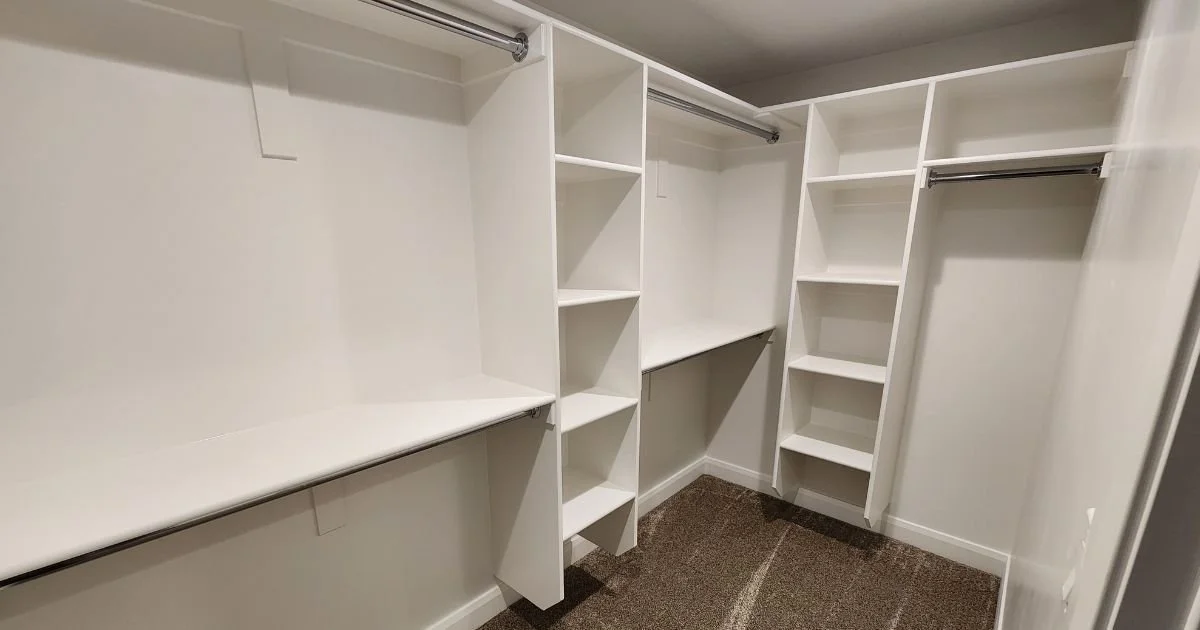
Utah homes are built for real life: snowy winters, dusty summers, weekend adventures, growing families, and full calendars. The problem is that “real life” comes with real stuff. Skis. Camping bins. Holiday décor. Sports gear. Bulk groceries. Hand-me-down furniture you’re not ready to part with. Most homes weren’t designed with enough dedicated storage to keep all of it accessible and organized.
That’s where your basement becomes the smartest square footage you already own.
At Berlin Homes, we finish basements across Utah with a specific goal in mind: create spaces that feel luxurious and look polished, while still being affordable and practical for everyday families. And one of the most valuable upgrades we build is true basement storage—not the “stack some totes and hope for the best” kind, but intentional storage space that stays clean, easy to use, and visually finished.
This guide walks you through exactly how to create real storage space using your basement: how to plan it, where to put it, what to build, what to avoid, and how to make it look like it belongs in a high-end home.
Why Your Basement Is Utah’s Best “Storage Expansion” Opportunity
If you want more storage, you have three choices: shrink your living space, add on to your home, or use the space you already have more intelligently. In Utah, basements are often the clear winner because they’re already there—and they’re usually underused.
The common storage problems Utah families run into
Most homeowners we meet are dealing with one (or all) of these:
The garage becomes a mixed-use mess. Cars get squeezed out by bins, tools, bikes, and seasonal gear.
Closets get overloaded. Linen closets, coat closets, and pantry space weren’t designed for modern family volume.
Storage spreads into living areas. Hallways, spare bedrooms, and corners become “temporary” drop zones.
Seasonal rotation is painful. Every season means moving piles around instead of swapping items in a system.
Why “more shelves in the garage” usually doesn’t solve it
Garage shelves help—until Utah weather and garage conditions work against you. Garages swing hot and cold, collect dust, and invite moisture from snow melt. Cardboard breaks down, metal rusts, and anything fabric-based picks up that garage smell.
A basement storage plan solves the root issue: it creates dedicated, conditioned storage space with clear zones, better air stability, and a finished look that doesn’t feel like you’re living on top of clutter.
The difference between clutter storage and real, usable storage space
Here’s the line we draw with homeowners:
Clutter storage is when items are stacked because there’s nowhere else to put them. You can’t find anything quickly, you avoid going down there, and the mess grows.
Real storage space is built intentionally: it has zones, lighting, access paths, strong shelving, and a layout that makes sense.
Real storage space feels almost relaxing. You know where everything goes. You can grab what you need in minutes. And your main level finally gets to feel like the home you want it to be.
How To Create Real Storage Space Using Your Basement
If you want storage that actually works long-term, start with a plan—not products. The right basement storage solutions come from understanding what you store, how often you use it, and what your basement can support safely.
Step 1: Audit what you actually need to store (and how you use it)
Before you design a single shelf, list what will live downstairs. Keep it simple and honest:
Daily or weekly items: kids’ sports gear, extra paper products, pet supplies
Seasonal items: skis, snow gear, camping gear, holiday décor
Long-term items: memorabilia, extra furniture, keepsakes
Valuables or sensitive items: photos, documents, instruments, electronics
Then add one more detail: how often you need access.
Storage works best when your most-used categories are closest to the stairs and easiest to reach. The “once-a-year” items can live deeper in the storage room.
A quick rule that keeps things practical:
If you touch it monthly or more, plan for easy access.
If you touch it once a year, plan for labeled bins and higher shelves.
Step 2: Choose your storage zones (seasonal, daily, long-term, valuables)
Most basements become storage chaos because everything goes into one big “pile area.” Instead, break storage into zones. Here’s a layout we recommend for many Utah homes:
Drop zone (near stairs): everyday overflow, backpacks, sports gear, frequently used items
Seasonal zone: skis, snow boots, holiday bins, camping tubs
Bulk and household zone: Costco-style paper goods, pantry overflow, cleaning supplies
Long-term zone: keepsakes, photo bins, extra furniture, “not ready to decide” items
Valuables zone: a lockable closet or cabinet area for sensitive items
This is the foundation of a finished basement storage plan. You’re not just building storage—you’re building a system your family can keep up with.
Step 3: Pick the right basement storage layout for your home
Now you match your zones to a layout that fits your basement finishing goals.
Option A: Dedicated storage room with door
This is the cleanest solution: a framed storage room with a solid door that keeps your finished basement looking polished. It’s perfect when you want a theater, gym, or guest suite and still need storage tucked away.
What makes it “real storage”:
Full-height walls so bins don’t spill into living space
A door that controls noise, dust, and visual clutter
Proper lighting and wide pathways (not a squeeze-through)
Option B: Mechanical-room + storage combo (done safely)
Many Utah basements have the furnace, water heater, and utility connections in one area. You can add storage here, but it needs to be planned carefully so you don’t block access or create a safety issue.
The right way:
Keep clear service space around equipment
Use metal or moisture-resistant shelving near mechanicals
Avoid storing flammables or anything heat-sensitive nearby
Maintain access to shutoffs and panels
Option C: Under-stair storage and hidden built-ins
Under-stair space is one of the most overlooked opportunities in basement remodeling. Done right, it looks custom and expensive, but it’s often a budget-friendly way to add meaningful storage without losing living area.
Smart uses:
Pull-out drawers for games, gear, and linens
Deep cabinets for seasonal bins
A “charging and tech closet” for routers, devices, and battery storage
Option D: Storage wall system along one side of the basement
If you want your basement to feel open—especially in homes with large family rooms—this layout works well: one full wall becomes organized storage, finished to match the rest of the basement.
This can look high-end with:
Lower cabinets + upper shelving
Matching doors and trim
A clean, built-in look that doesn’t scream “utility space”
READ: Best Basement Layout Ideas for Utah Homes
Step 4: Moisture-proof and climate-proof the plan (Utah essentials)
Utah’s dry climate helps in many ways, but basements still have two realities: ground moisture and temperature swings. Real storage space has to stay clean, dry, and stable—especially for paper items, fabric décor, wood furniture, and keepsakes.
Here’s what matters most:
Start with water management: If you have any history of dampness, address it before finishing the basement. Storage is only as good as the environment it lives in.
Use moisture-smart materials: Basements do better with moisture-resistant drywall options, appropriate flooring choices, and shelving materials that won’t warp or rust.
Plan for airflow: Storage rooms need ventilation and the right HVAC balance so they don’t turn stale.
Consider radon systems and utility penetrations: Many Utah homes have radon mitigation. Storage framing must respect those pipes and keep access intact.
This is where basement finishing in Utah becomes more than aesthetics. Done right, you protect what you store—and you avoid the “musty basement” problem that makes homeowners hate using their space.
Step 5: Build storage that looks finished (not like a utility space)
If you want the basement to feel like part of the home, storage has to be designed like a finished feature—not an afterthought.
A few upgrades that change everything without blowing the budget:
Painted walls and durable trim: Bright, clean walls make storage feel intentional and easier to maintain.
Consistent flooring or a clean transition: Even if your storage room has a different floor, make it look deliberate and easy to sweep.
Doors that match your basement style: A solid door, modern hardware, and clean casing elevate the whole area.
Built-in look where it counts: You don’t need custom cabinetry everywhere. A few well-placed finished elements go a long way.
When homeowners see this done well, they stop thinking of the basement as “downstairs storage” and start thinking of it as their home’s organized backbone.
Step 6: Add lighting, outlets, and clear access so storage stays usable
This step is what separates “we built storage” from “we built storage that stays organized.”
Lighting: A single bulb in the middle of the room doesn’t cut it. Bright LED ceiling lighting (or multiple fixtures) makes labeling and finding items easy.
Outlets: Storage rooms often need outlets for a freezer, a dehumidifier (if needed), charging stations, or tools.
Pathways: Leave enough space to carry bins, turn corners, and use shelves comfortably. If storage is awkward to access, it will slowly become a pile again.
Shelf height: Put heavy items at waist-to-chest height, not overhead. This keeps storage safe and practical.
This is also the moment to plan for the future: kids grow, gear changes, hobbies evolve. A flexible basement storage system keeps up without requiring a re-do.
READ: How To Know The Best Lighting For Your Basement
Storage Designs That Feel Luxurious (But Stay Affordable)
You can absolutely make basement storage feel upscale without paying “showroom” pricing. The trick is choosing the right places to spend and the right places to simplify.
Built-in shelving that looks custom without custom pricing
A clean wall of built-in shelving—painted, trimmed, and well-lit—can feel like a high-end feature. You don’t need exotic materials; you need consistent finishing and solid construction.
Budget-smart approach:
Use sturdy, simple shelving with a clean face trim
Paint everything the same color for a cohesive look
Add a few closed sections for visual calm
Cabinet-style storage for a clean, high-end look
If you want the basement to feel truly finished, nothing beats closed storage. Cabinets hide the visual noise and instantly make a space feel more luxurious.
Where cabinets make the most sense:
Along a storage wall in a finished family room
Beneath open shelves
In game areas, craft corners, or home gyms
Closet systems and “Costco rooms” done right
Utah homeowners love a good bulk-buy run. A basement “Costco room” is one of the most satisfying upgrades when it’s done intentionally.
Make it feel finished by adding:
Wide shelving with clear labels
Space for bins that slide in and out easily
Bright lighting so you can actually see what you have
Smart kid-and-teen storage: sports, backpacks, instruments, games
If your main level constantly collects sports gear, backpacks, and “stuff that doesn’t have a home,” the basement can solve it with a simple zone near the stairs.
Ideas that work well:
A row of lockers or cubbies
A bench with closed storage underneath
Tall cabinets for bulky equipment
It’s a practical feature that makes your entire home feel calmer.
Best Basement Storage Ideas for Utah Lifestyles
Utah has a unique mix of outdoor lifestyle and four-season living. The best basement storage plan matches what families here actually do.
Ski and snowboard storage that doesn’t wreck your gear
Storing skis in a wet garage is rough on equipment. Basement storage gives you a cleaner, more stable place for winter gear.
Best practices:
Let gear dry first (a small drying area helps)
Store boots off the floor
Use wall racks or vertical slots to prevent warping
Keep gloves, goggles, and accessories in labeled bins
Hunting, fishing, camping, and off-road storage solutions
These categories are bulky, expensive, and hard to keep organized. A basement storage wall or dedicated gear room solves it fast.
Include:
Deep shelves for totes
Hooks for packs and waders
A lockable cabinet for expensive gear
Space to stage and repack between trips
Holiday décor storage that’s easy to rotate
Holiday bins are notorious for turning into a tower. Real storage uses:
Uniform bin sizing
Shelf spacing designed for those bins
A clear “rotation lane” so you can grab what you need without moving everything
Food storage and cold storage considerations (Utah favorite)
Many Utah families want extra food storage. A basement can support this well—but it needs the right conditions.
A few smart considerations:
Keep food storage off concrete floors
Ensure the space stays dry and ventilated
Plan outlets if you want a freezer
Use shelving designed for heavier loads (cans add up quickly)
If you’re thinking about true cold storage, it’s worth planning during basement remodeling so the space functions correctly and stays comfortable.
Don’t Make These Basement Storage Mistakes
The fastest way to regret basement storage is to build it without thinking about safety, access, and long-term use.
Blocking mechanical access (furnace, water heater, radon systems)
Your mechanical area needs clearance for service and safety. Storage can live near it, but it must be planned with access in mind.
Using the wrong materials (warping, musty smells, rust)
Basements demand smarter material choices:
Avoid cheap particle board in damp-prone areas
Choose finishes that clean easily
Use shelving rated for real weight
Creating storage you can’t reach comfortably
If shelves are too deep, too high, or too cramped, they won’t get used well. Storage should feel easy, not like a chore.
Forgetting egress and code considerations when finishing a basement
If you’re finishing the basement for living space, code matters: egress, clear pathways, proper electrical, and safe separation around mechanicals. Storage planning should work with those requirements—not fight them.
What It Costs to Add Real Basement Storage in Utah (And What Affects Price)
Costs vary widely, but storage is one of the most flexible parts of a basement finishing project—you can scale it up or down without sacrificing the whole basement.
“Storage-only” vs. finished basement storage
Storage-only improvements might include framing a room, adding a door, lighting, and strong shelving.
Finished basement storage includes matching finishes, trim, upgraded lighting, and often built-ins that blend into the living space.
The cost drivers: framing, doors, built-ins, lighting, moisture control
Biggest factors:
How much framing is needed
Door type and finish level
Built-in vs. off-the-shelf shelving
Electrical upgrades (lighting, outlets)
Any moisture mitigation needed before finishing
How to phase your project for the best value
If budget is tight, phase strategically:
Create the storage room layout + lighting first
Add heavy-duty shelving second
Upgrade to built-ins and cabinetry later
This approach keeps your basement functional now and lets you add luxury touches over time.
The best basement storage isn’t about cramming more things downstairs. It’s about giving your home a real system—one that clears the clutter, protects what you own, and makes everyday life smoother.
Quick checklist to get started
List what you need to store and how often you use it
Create zones (daily, seasonal, bulk, long-term, valuables)
Choose a layout (storage room, storage wall, under-stairs, combo plan)
Plan moisture/airflow, lighting, outlets, and access
Build storage that looks finished so it stays part of the home
If you’re ready to create real storage space using your basement—and you want it to feel clean, finished, and attainable—Berlin Homes can help you map the smartest plan for your Utah home.
